
Water Ingress Investigation in Liverpool
A wall that darkens after a storm, a wet patch beside an external door or a stain beneath a roof terrace can all point to water entering the building. North West Leak Detection carries out water ingress investigations in Liverpool for homeowners, landlords and businesses. We look at when the problem occurs and how the affected area relates to the rest of the building. We then explain where the evidence points and what may need further inspection.
Specialist water mains leak detection throughout Liverpool and the wider North West.
Get A Quote Today
Tell us a little about the problem and our team can help you with the next step.
Your details are only used to respond to your enquiry.
Businesses We Have Worked With











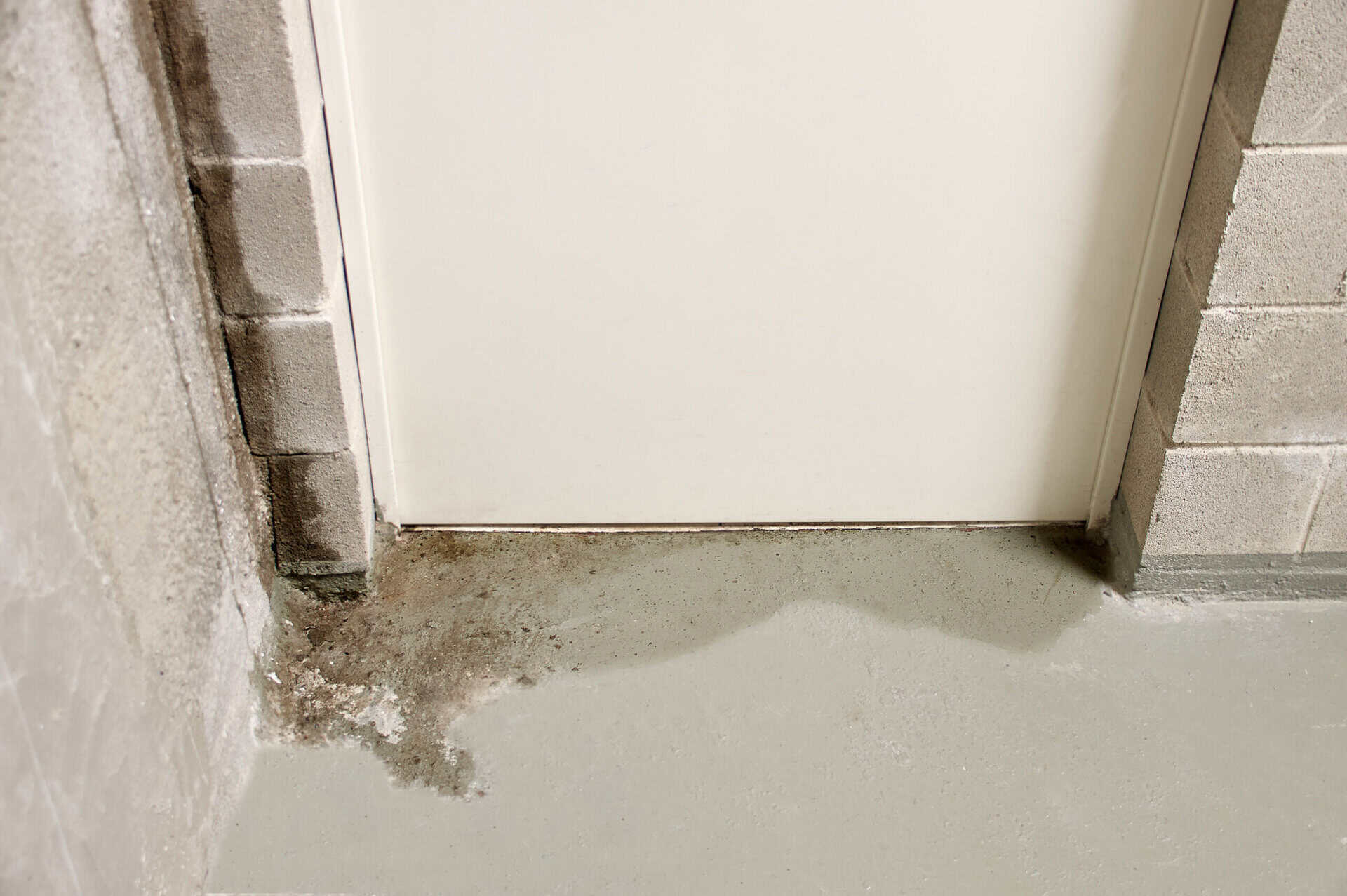
Match the Wet Patch to the Weather
Tell us whether water appears during rainfall, several hours later or only after a long wet spell. If the same wall stays dry during some storms but becomes damp when rain hits one side of the building, that difference is worth recording. Let us know when you first saw the mark and whether it begins in the same place each time.
Our Liverpool leak detection team uses that history to decide which areas to inspect first. A dated photo showing the whole wall or ceiling is especially helpful when the mark has faded by the time of the visit. If you can safely photograph the corresponding outside area from ground level, that can help us relate the damp to a window, doorway or junction in the building.
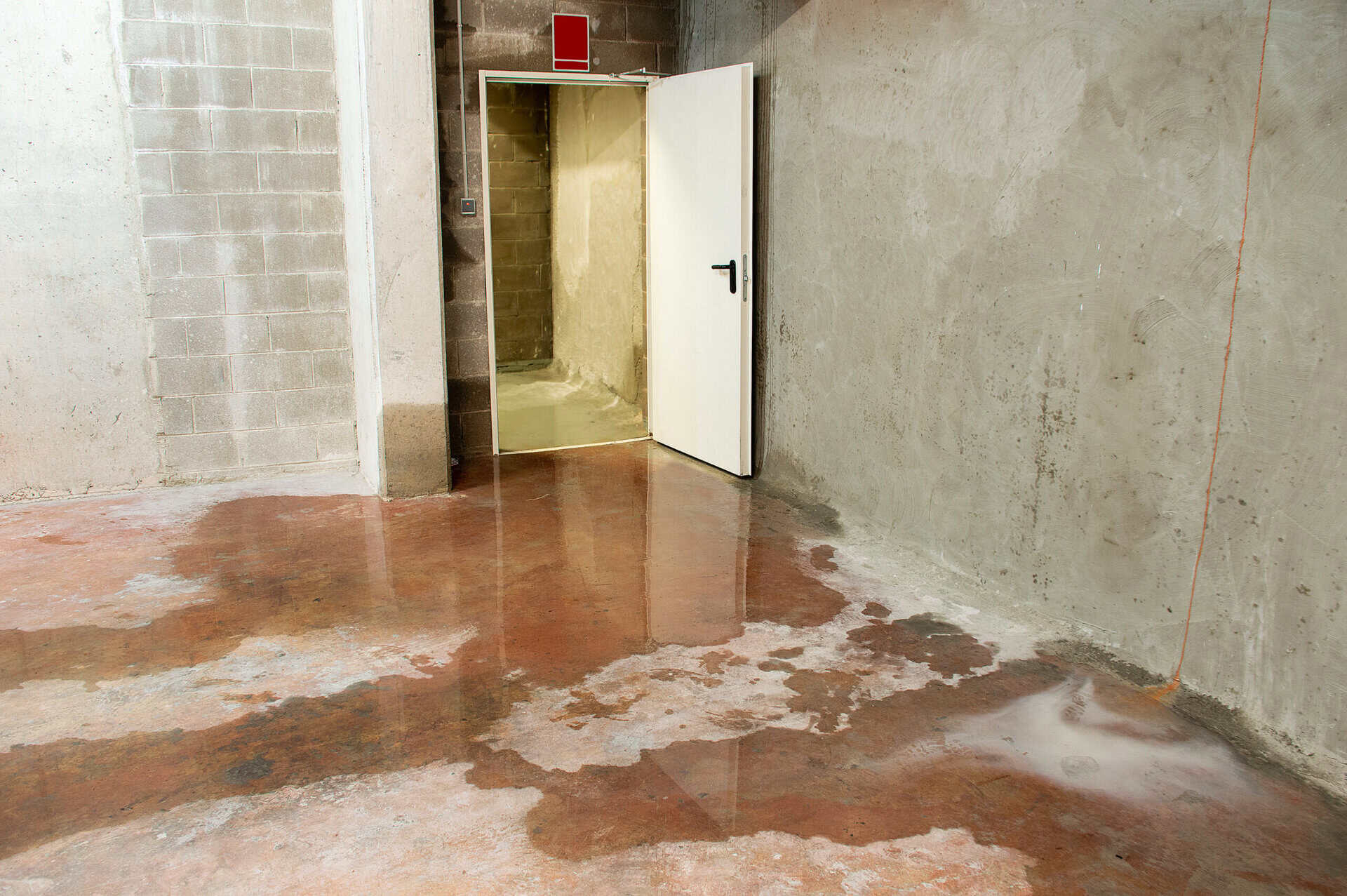
Look Beyond the Window or Door Where Water Appears
Moisture below a window may be visible at one corner, along the sill or farther down the wall. The point where it appears inside gives us a reference for comparing the window opening with the wall above and alongside it. At an external door, tell us whether water first appears at the threshold or becomes visible along the skirting board after the rain has passed.
Let us know if a window or door has already been replaced, adjusted or resealed. If the damp returned after that work, describe whether it came back in the same place or moved to another part of the wall. That helps us decide whether the opening itself or an adjoining part of the building needs a closer look.
Common Leaks We Investigate in Liverpool
North West Leak Detection traces water leaks in homes and commercial premises across Liverpool and the wider North West. If you can see water damage but the source is unclear, use the sections below to find the right investigation.
Kitchens, Bathrooms and Utility Rooms
- Leaking taps
- Dripping taps
- Leaking toilets
- Leaking showers
- Leaking shower trays
- Leaking shower screens
- Leaking baths
- Leaking bath seals
- Leaking bathroom sinks
- Leaking kitchen sinks
- Leaking bathroom plumbing
- Leaking kitchen plumbing
- Leaking toilet cisterns
- Leaking toilet supply pipes
- Leaking washing machine connections
- Leaking dishwasher connections
Heating and Hot Water
- Leaking radiators
- Leaking radiator valves
- Leaking central heating pipes
- Leaking boiler pipework
- Leaking hot water cylinders
- Leaking water tanks
- Leaking underfloor heating pipes
Pipework, Valves and Connections
- Burst pipes
- Leaking water pipes
- Leaking waste pipes
- Leaking overflow pipes
- Leaking stopcocks
- Leaking isolation valves
- Leaking pipe joints
- Leaking compression fittings
- Leaking flexible tap connectors
- Leaking water supply connections
Outdoor and Concealed Leaks
- Leaking outdoor taps
- Leaking underground water pipes
- Leaking mains water pipes
- Leaking pipes under floorboards
- Leaking pipes behind walls
- Leaking pipes beneath concrete floors
- Hidden water leaks
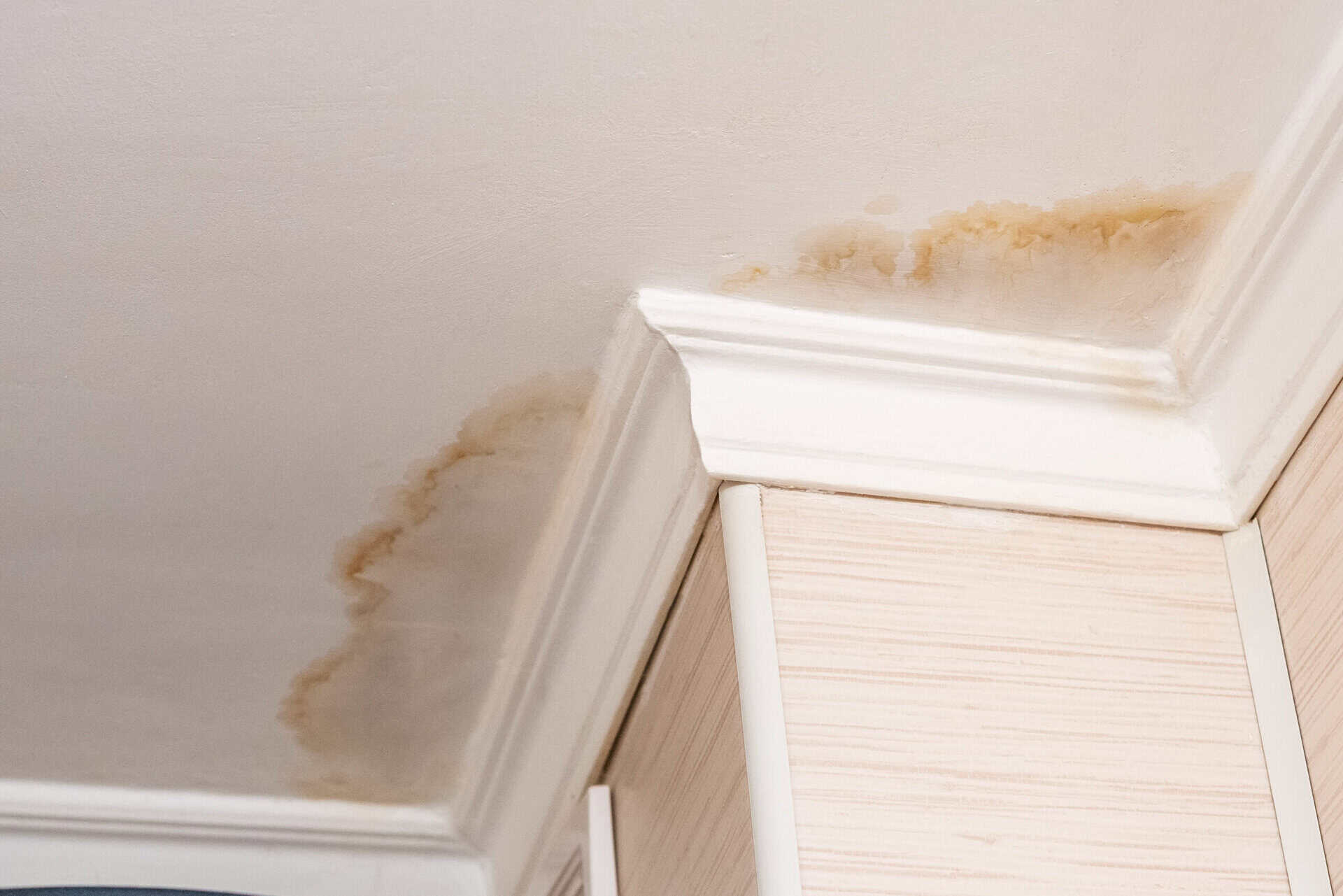
Compare Ceiling Stains With Heating Use and Rainfall
If the stain darkens when the heating is running, let us know whether the boiler pressure has also been falling. Where heating pipes pass between rooms, the visible damage may sit away from the nearest radiator. Our central heating leak detection service can help investigate suspected water loss from the heating circuit.
A ceiling beneath a flat roof, balcony or terrace may show damp after rainfall. It helps to know whether the mark appears during rain or several hours later and whether wind direction makes a difference. If you have also seen the mark change during dry weather, mention what was in use upstairs at the time. This helps us assess whether to begin with plumbing or consider where water could be entering from outside.
Investigate Staining Below Terraces and Building Junctions
Where a rear extension meets the original house, it helps to know whether damp first appears at the join or farther into the extension. In flats and commercial buildings, a stain may be below a balcony, shared terrace or another area that the occupant cannot access. Tell us what sits above the damage and who can arrange entry if that area needs checking.
When water first appears overhead, our ceiling leak detection service can assess the position of the stain against accessible pipework and rooms above. If the findings suggest a roof, terrace or external detail is involved, we explain where the evidence points so the relevant trade can assess that area.
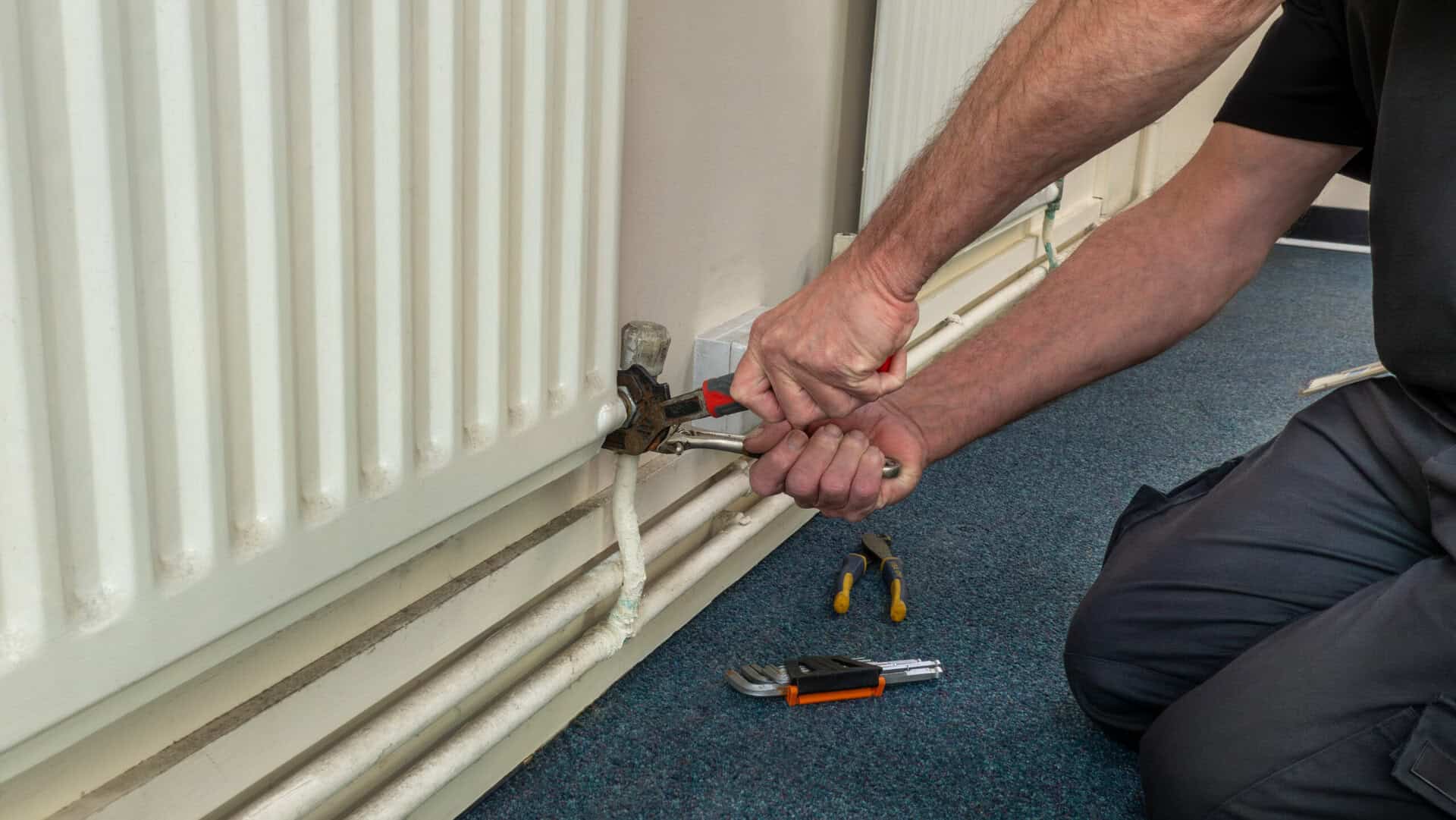
Check Whether Nearby Plumbing Could Be Involved
A wet wall beside a kitchen or bathroom can have more than one possible source. A pipe may run along the same wall that is exposed to rain. Tell us if the patch changes after someone uses a shower, empties a bath or runs a washing machine, particularly on a dry day. That can help us decide when plumbing leak detection is the best place to start.
If you are seeing droplets across several surfaces as well as a localised patch, describe both when you enquire. Our guide to telling condensation from a leak explains what you can observe before booking. The pattern over time often gives us more information than the appearance of the wall on a single day.
Revisit Water Damage That Has Returned After Repairs
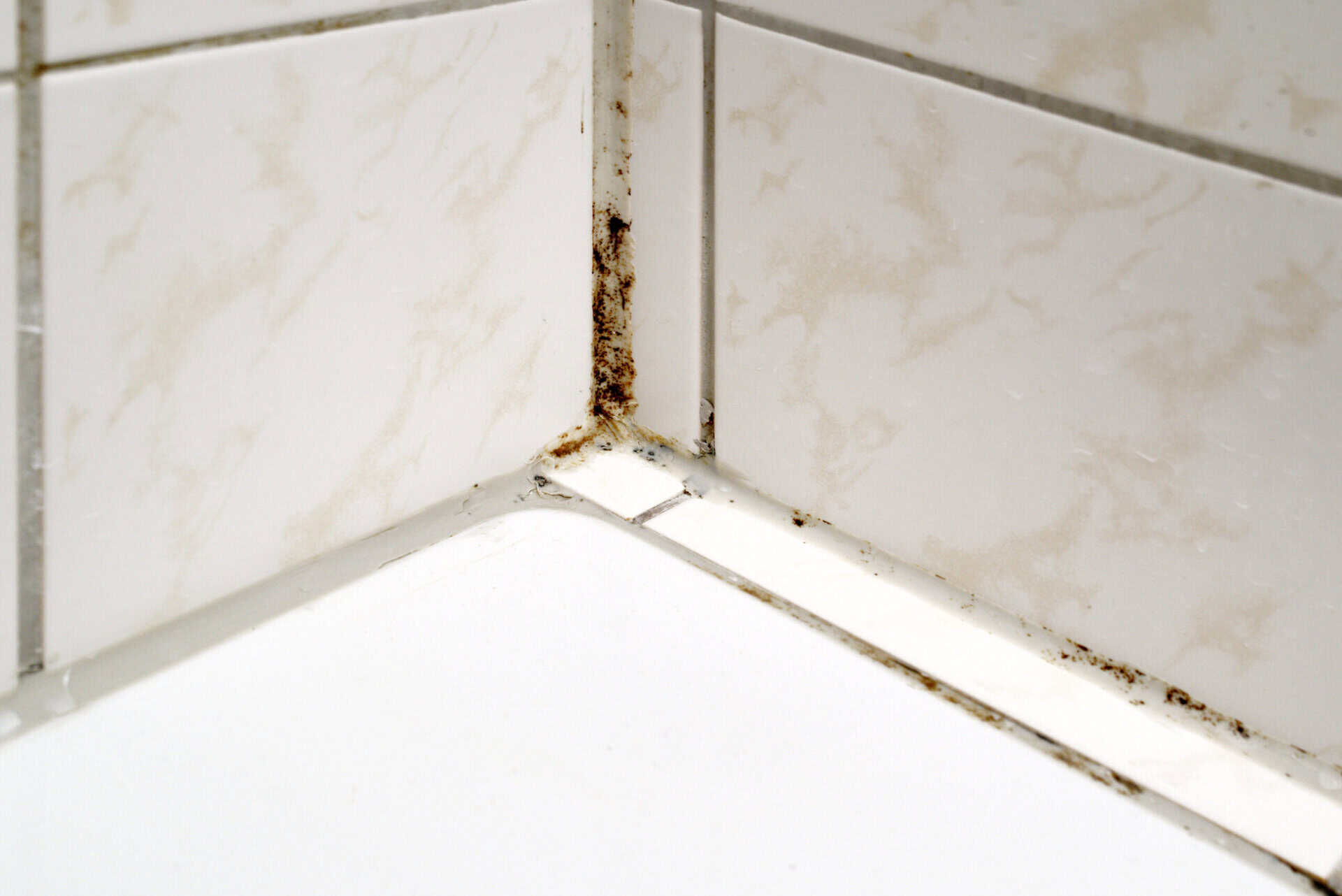
If a contractor has already worked on the affected area, tell us what they repaired and how long the building stayed dry afterwards. Photos taken before and after the work can show whether the new damage follows the same line. Any notes from the previous inspection are useful, especially if the work exposed parts of the building that are now covered again.
After the visit, we explain what the evidence indicates and which findings would help the next contractor. If an insurer is involved, share any instructions before booking. Our guide to trace and access insurance in Liverpool covers the questions to ask about evidence and approval before work starts.
Coordinate the Visit for Flats and Managed Premises
Where several flats or units show damp, record the floor and room number for each one. Let us know if they share an outside wall or sit beneath the same terrace. For a business, tell us when the affected areas can be inspected and who is responsible for keys, access to communal spaces or approval for further checks.
You can find out more about North West Leak Detection or send us the property details to discuss the enquiry. Include the full postcode, where the first signs appeared and whether you have noticed a pattern linked to weather or use of the building.

Frequently Asked Questions
Rain driven against one side of a building can affect openings and junctions differently from rain that falls straight down. Tell us which wall becomes damp, where the mark starts indoors and whether water appears during the storm or later. It also helps to know if the same patch stayed dry during other periods of rain. If you have dated photos, include a wide view of the room and the corresponding side of the building. We use that history to decide which parts of the opening, wall or adjoining structure are worth inspecting and whether a specialist trade may need to check them more closely.
Yes. A dry wall can still show where staining started, and photographs from when it was wet can help us see how it developed. Tell us the date of the last incident, how long the area stayed damp and whether the mark returns to the same spot. If you have redecorated or had repairs carried out since the first report, mention where that work took place. We compare the history with the accessible parts of the building and explain what can be assessed during the visit. If the evidence is incomplete, we can tell you what to record when the water next appears.
Yes. Water supply pipes, heating pipes and waste connections can run close to an external wall. Tell us whether the patch has appeared during dry weather and whether it changes after someone uses a fitting or switches on the heating. It is also useful to know whether the pressure on the heating system has been falling. We consider the wall layout alongside the timing of the symptoms before choosing which area to inspect. If the evidence points towards the heating circuit, our central heating leak detection service can investigate the pipework and help establish where water may be escaping.
Give us the flat or room reference where the damp appears and tell us who manages the space above it. If another occupant has noticed similar staining, ask when it started and where it is visible. Information about recent resurfacing, drainage work or repairs around the terrace can help guide the first inspection. If the space is locked or controlled by a managing agent, mention that before booking so we can discuss access. We can assess the damage in the affected room and explain whether inspecting the space above would help narrow down the source or guide further checks by the relevant trade.
Yes. Tell us what was repaired, when it was done and how soon the damp returned. If you have a quote, report or photographs that show the area worked on, share them when you enquire. It helps to know whether the new patch follows the same shape as the earlier one or has appeared somewhere different. We consider those details alongside how the building is laid out and when the water becomes visible. After the first checks, we will explain what the evidence suggests and whether further inspection of the earlier repair or a nearby part of the building would help confirm the source.
We take enquiries across Liverpool, including the city centre, Toxteth, Aigburth, Allerton and West Derby, as well as surrounding parts of Merseyside. If the building is outside Liverpool, see our local pages for leak detection in Crosby and leak detection in Southport. Send us the property postcode and describe where the water is appearing so we can confirm coverage and availability. For a flat or commercial unit, include the floor and room reference and tell us who can arrange access. If the problem follows rainfall, mention when the damp last appeared and how long the area usually stays wet.