
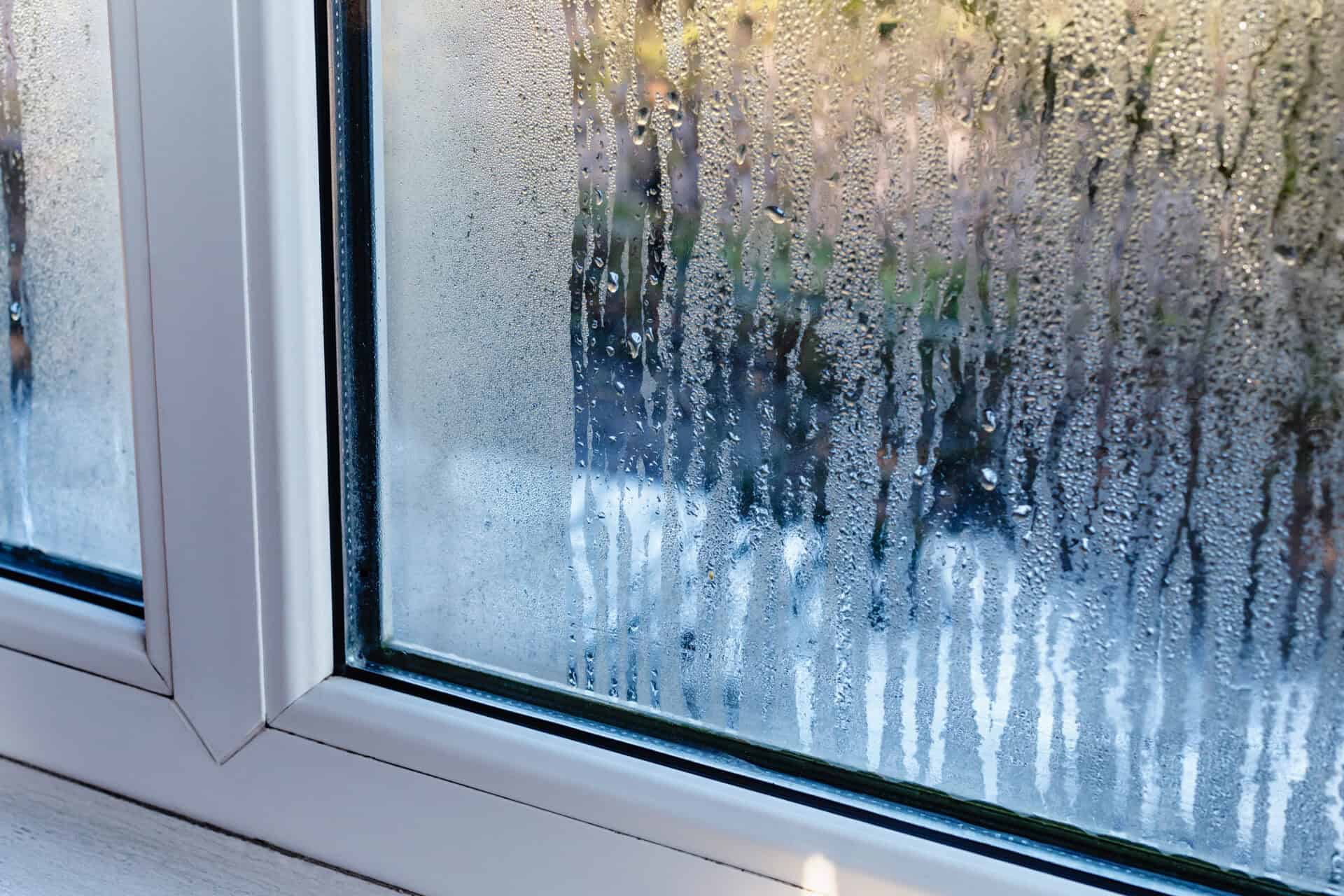
Is it condensation or a leak? If you’ve noticed damp patches, mould or peeling paint in your home, it isn’t always easy to tell what’s causing the problem. Although condensation and hidden water leaks can both lead to moisture building up inside a property, their underlying causes and the steps needed to address them are quite different.
Condensation is usually associated with excess moisture in the air settling on colder surfaces. A plumbing leak, however, introduces water from a damaged or leaking pipework system. Understanding where the moisture appears, when it develops and whether it continues despite changes in ventilation can help you decide what to investigate next. However, appearances alone cannot always establish the cause.
WHERE DAMP APPEARS: WHAT THE LOCATION AND PATTERN MAY TELL YOU
The location of dampness can provide useful clues about its possible cause. Condensation commonly develops on cold surfaces, particularly around windows, external walls, room corners and areas where air cannot circulate freely. You might notice moisture collecting on bedroom windows in the morning or mould appearing behind furniture positioned close to an outside wall.
A plumbing leak can produce a more localised area of moisture, particularly where pipes run behind walls, beneath floors or through ceilings. For example, a patch of damp plaster near a bathroom or kitchen could warrant further investigation if pipework or plumbing connections are nearby.
However, these patterns are not definitive. A leaking roof, damaged guttering, penetrating damp or problems with the building’s damp-proofing can also introduce moisture. The GOV.UK guidance on damp and mould explains why identifying the underlying source matters.
HOW HEATING, VENTILATION AND WEATHER CAN AFFECT CONDENSATION
Everyday household activities introduce moisture into the air. Cooking, showering, bathing, drying clothes indoors and even breathing all contribute to indoor humidity. When this moisture encounters a colder surface, it can turn into water droplets, creating the conditions for condensation.
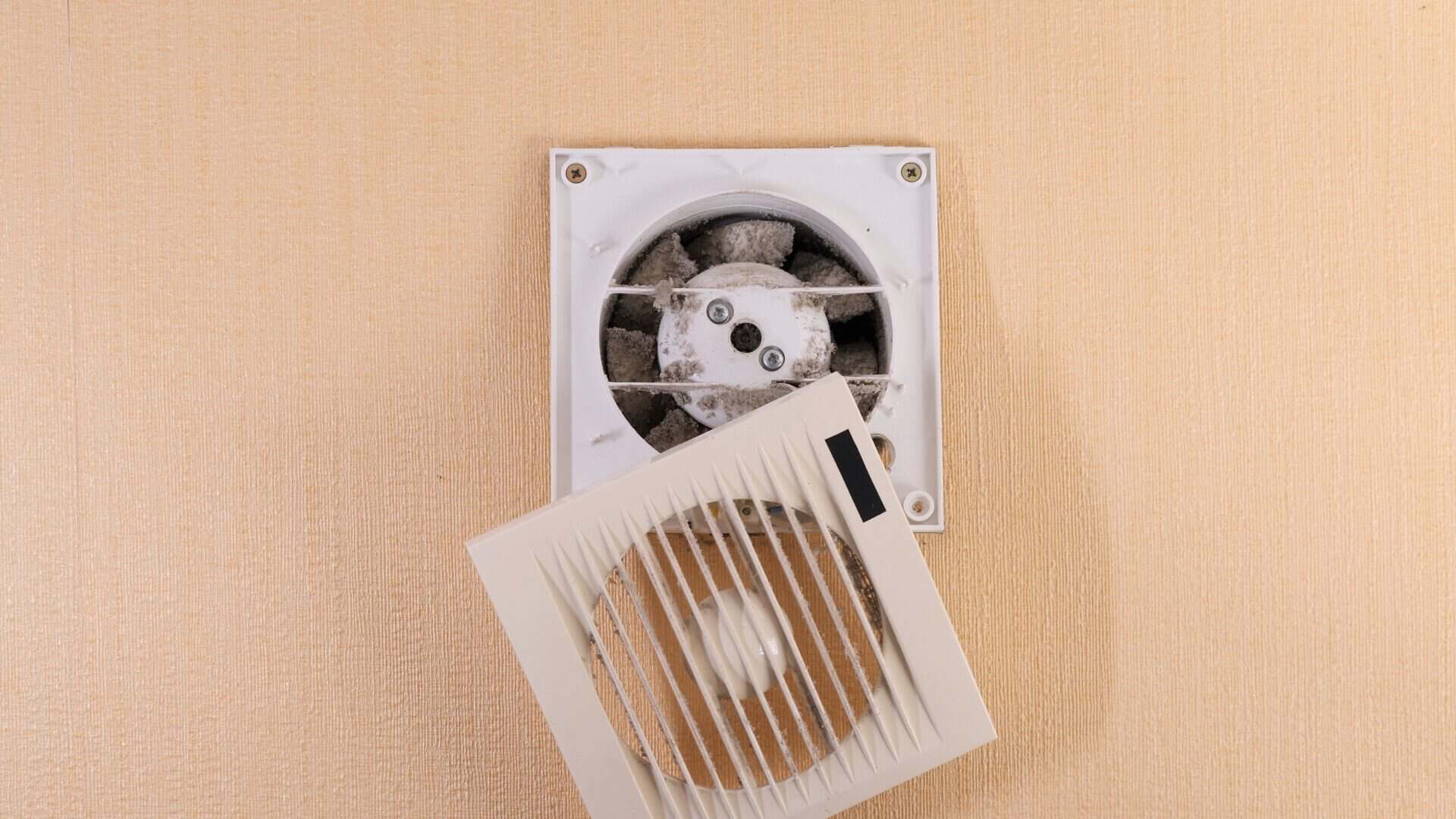
The problem can become more noticeable during colder months. Lower outside temperatures mean windows and external walls are often colder, while reduced ventilation can allow moisture to accumulate indoors. Rooms with inadequate heating, restricted airflow or poorly maintained extractor fans may be particularly affected.
Improving ventilation can help reduce condensation. Using kitchen and bathroom extractor fans, keeping suitable background ventilation open and allowing fresh air to circulate can make a difference. The government’s home ventilation guide explains how everyday activities contribute to indoor moisture and why ventilation matters. Energy Saving Trust also offers practical advice on improving ventilation.
If condensation improves when ventilation and moisture levels are managed, that provides a useful indication of its possible cause. However, persistent dampness should not automatically be attributed to poor ventilation, particularly if it continues in one specific location.
SIGNS THAT MAY SUGGEST A PLUMBING LEAK RATHER THAN CONDENSATION
Although condensation and plumbing leaks can sometimes produce similar visible symptoms, certain patterns may justify investigating the plumbing system.
Persistent dampness in one place despite improved ventilation is worth investigating, particularly near bathrooms, kitchens or known pipe routes. Water around a visible pipe or plumbing connection points more directly towards a possible plumbing fault than moisture collecting on cold windows or external walls. Damaged plaster or skirting boards can occur with either problem, so the surrounding conditions matter.
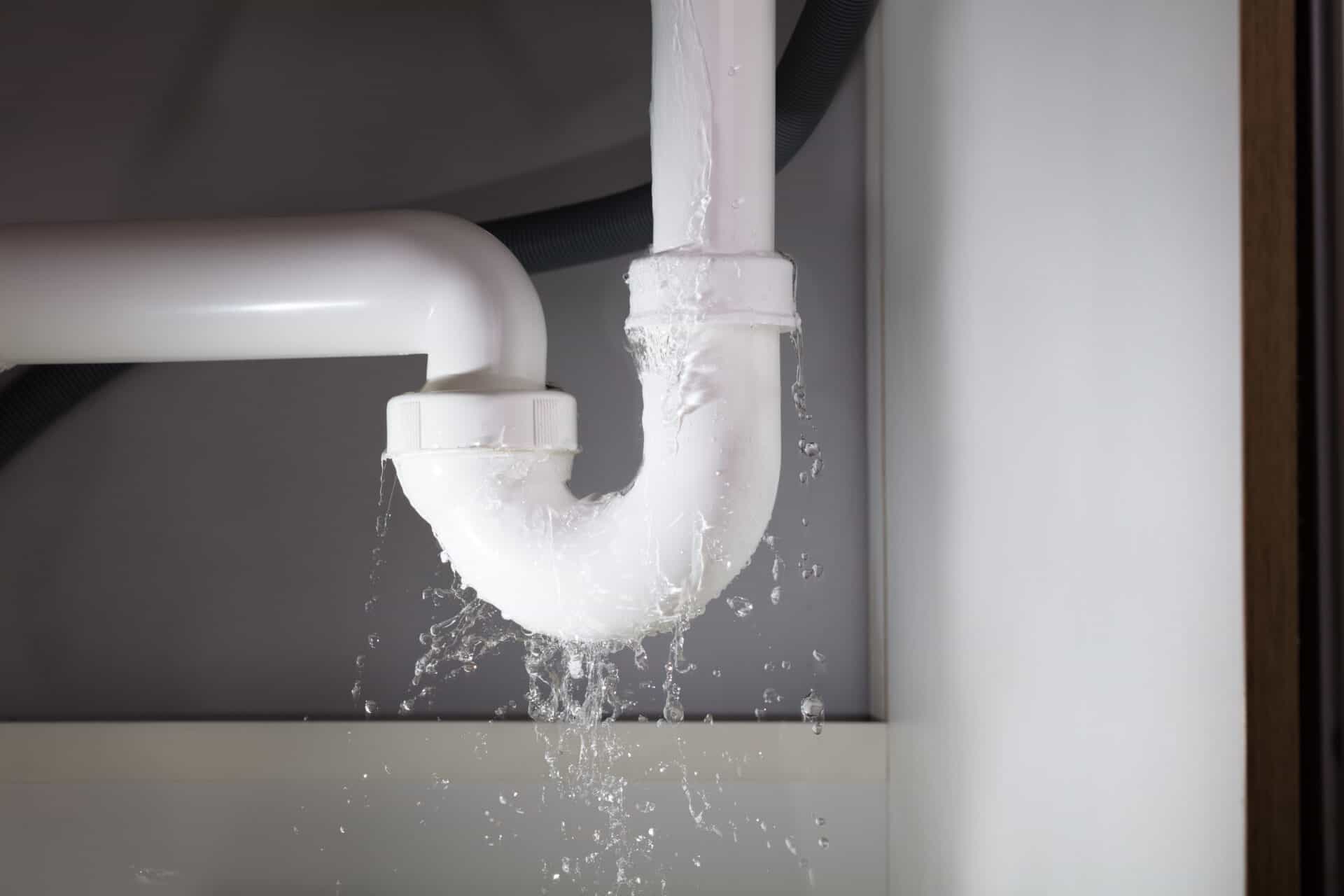
An unexplained increase in metered water use can be a clue, although household consumption and a running toilet may also explain it. A damp patch that returns in the same location deserves attention, but neither sign confirms a plumbing leak. Moisture could instead be entering through the building fabric. The aim is to compare the pattern with condensation conditions, not diagnose a hidden leak from symptoms alone.
HOW TO CHECK WHETHER WATER IS STILL BEING USED WHEN TAPS ARE OFF
A water meter may offer a limited clue when you suspect a plumbing leak, but it cannot establish whether a damp patch is caused by condensation.
If your meter is safely accessible, note the reading when taps and water-using appliances are off and no one is using water. Check it again after a suitable period. Ask your water company for guidance if the meter or supply arrangement is unclear.
A changing reading may indicate continuing water use, including a running toilet or an unnoticed leak. It does not reveal the source or location, and a static reading does not rule out every kind of water escape.
Do not operate unfamiliar valves or open equipment you cannot safely access. A moving water meter can have several explanations, which the existing guide explores in more detail.
Meter readings concern water passing through the incoming metered supply. They cannot reliably rule out drainage leaks, faulty bath or shower seals, or some closed heating-system faults. For example, a boiler losing pressure can call for a different investigation even when the incoming meter does not move. The most useful question here is whether the moisture behaves like condensation or whether further plumbing checks are justified.
WHAT OTHER SOURCES OF DAMP SHOULD YOU CONSIDER?
Condensation and plumbing leaks are not the only possible explanations for moisture inside a property. Before assuming either is responsible, it is worth considering other sources that could produce similar symptoms.
Roof damage, defective flashing, blocked gutters and damaged external walls can allow rainwater to enter a building. Moisture may then travel through ceilings, walls or insulation before becoming visible inside.
Rising damp is another possibility. This can occur when moisture from the ground moves upwards through walls, potentially affecting plaster, skirting boards and other building materials. Problems with external drainage or water entering through the foundations may also contribute to damp conditions.
Bathrooms and kitchens can develop moisture problems around poorly sealed baths, showers and sinks. Water escaping from these areas may affect surrounding walls, floors or neighbouring rooms without being immediately obvious.
This is why it is important to consider the wider condition of the property rather than focusing exclusively on condensation or plumbing. If the cause remains unclear, a suitable inspection can help establish which type of problem needs addressing. The Property Care Association provides information about damp investigation and appropriate assessment.
WHEN IS PROFESSIONAL LEAK DETECTION WORTH ARRANGING?
If dampness continues despite reasonable efforts to manage condensation, or you notice signs that suggest water may be escaping from pipework, it may be time to arrange a professional assessment.
This is particularly relevant when moisture appears in a specific area, water consumption changes unexpectedly or the problem returns after the affected surface has dried. Leaving a suspected plumbing leak unresolved can allow further moisture damage to develop.
A specialist can investigate whether concealed plumbing is contributing to the problem and determine whether further examination is necessary. Depending on the circumstances, this may involve assessing the affected pipework and using appropriate leak detection equipment to help locate the source without unnecessary disruption.
Where the evidence points towards a possible hidden plumbing leak, specialist investigation may help establish whether concealed pipework is responsible. The appropriate assessment depends on the location of the moisture and the plumbing involved.
Where an insurance claim is involved, check the policy’s requirements before arranging investigation or repair. NICE guidance on indoor air quality also recognises the need to address damp and mould. The important point is not to assume every damp patch is a leak, or every recurring moisture problem is condensation. Identifying the likely source is the starting point for deciding what happens next.