
Plumbing Leak Detection in Warrington
Professional plumbing leak detection for homes and businesses across Warrington and the surrounding areas. We investigate concealed pipework leaks using specialist equipment, helping reduce unnecessary damage to walls, floors and ceilings.
Specialist plumbing leak detection throughout Warrington and the wider North West.
Get A Quote Today
Tell us a little about the problem and our team can help you with the next step.
Your details are only used to respond to your enquiry.

Locating Leaks Within Concealed Plumbing Pipework
A concealed plumbing leak can develop behind a bathroom wall, beneath kitchen units or within pipework running through a floor or ceiling. The first indication may be a recurring stain, damaged decoration or dampness appearing some distance from the affected pipe. Following the visible water damage alone can therefore lead to the wrong area being opened.
At North West Leak Detection, we investigate the symptoms alongside the plumbing layout to establish which system may be responsible. We consider how the problem behaves, whether it changes during water use and what previous checks have already established.
Our equipment allows us to gather evidence before recommending disruptive access. By assessing the affected pipework and narrowing down the suspected location, we help customers understand where further investigation or repair should focus. This provides a more informed starting point than removing tiles, flooring or fitted furniture without supporting findings.

How We Investigate Hidden Plumbing Leaks
Every investigation begins with an assessment of the reported problem. We ask when the symptoms appeared, whether moisture returns after particular fittings are used and whether water consumption or heating pressure has changed. Accessible pipework, connections and affected surfaces can then be checked.
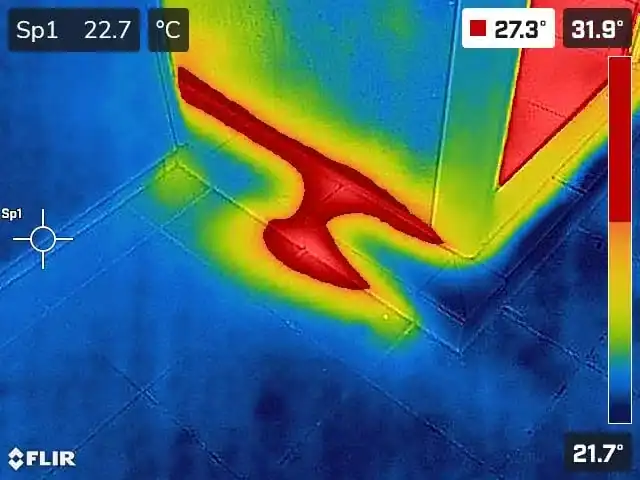
Moisture assessment helps establish the extent and pattern of dampness within suitable materials. Thermal imaging may identify surface-temperature differences associated with concealed hot-water or heating pipes, while acoustic equipment can help detect the sound of water escaping from pressurised pipework.
Where appropriate, individual sections can be tested to establish whether a particular water line or heating circuit is losing pressure. Tracer gas may assist when other methods provide insufficient evidence, with the isolated pipework prepared and tested by the engineer.
Restricted spaces can sometimes be examined using an inspection camera through an existing opening or agreed access point. The results are considered together, taking account of the building’s construction and any limitations. This helps us explain the suspected source and whether controlled access is needed to confirm or repair the fault.

Plumbing Problems Behind Bathrooms, Kitchens and Floors
Bathrooms and kitchens contain supply connections, valves, waste fittings and appliance pipework. Several faults can produce similar symptoms, making it important to establish whether the problem involves a pressurised pipe, drainage connection or water escaping around a fitting.
A leak beneath a shower tray may affect the ceiling below, while concealed kitchen pipework can release water behind units before damage becomes visible. Heating pipes beneath a floor may produce repeated pressure loss without an obvious puddle at the boiler or radiators.
Our wider leak detection services in Warrington cover different systems, allowing the investigation to follow the evidence rather than assume every damp patch has the same cause.
Identifying the correct source matters before repairs begin. Replacing sealant or opening the ceiling beneath a stain may leave the underlying fault unresolved if water is travelling from concealed pipework elsewhere.
Supporting Homeowners, Landlords and Commercial Properties
For homeowners, an unresolved plumbing leak can affect flooring, plasterwork, fitted furniture and decoration. Establishing the source helps organise the appropriate repair and assess what further work may be needed in the affected area.
Landlords and managing agents may need an investigation when tenants report persistent dampness, repeated heating-pressure loss or water entering another part of a building. Clear findings help explain the problem to the people responsible for arranging access, plumbing repairs and subsequent reinstatement.
Businesses can face additional challenges where pipework serves several washrooms, staff facilities or occupied units. Our commercial leak detection service supports Warrington premises where concealed water losses require a structured investigation.
We discuss access, operating arrangements and any restrictions before testing begins. This helps plan suitable checks around the property while ensuring that any necessary interruption to water or heating is understood and agreed.

Clear Findings Before Repair Access Begins
After testing, we explain what the evidence indicates, which system appears affected and where further access may be appropriate. We also make clear when findings require additional confirmation, rather than presenting an uncertain location as a guaranteed result.
This information helps the repair contractor focus on a defined area and understand why it has been identified. Where the symptoms appear to involve something other than pressurised plumbing, we explain the findings so the next stage can address the relevant cause.
Detection, access, pipe repair and reinstatement are related activities, but their scope should be agreed separately. If an insurance claim may be involved, customers should confirm their policy requirements and any necessary authorisation before non-emergency work proceeds.
We can provide findings from the investigation, while the insurer determines which costs are covered. Contact our team to discuss the symptoms and arrange an appropriate plumbing leak investigation.
Customer Testimonials
Read what our valued customers are saying about our leak detection services.
Specialist Leak Detection Services
From hidden water leaks and underground pipework to tracer gas and thermal imaging, our specialists use professional detection equipment to accurately locate leaks with minimal disruption.
Water Leak Detection
Detect hidden water leaks quickly using specialist non-invasive equipment, helping to prevent costly damage and unnecessary disruption.
View Service →
Plumbing Leak Detection
Accurately identify concealed plumbing leaks before they cause further damage to walls, floors, ceilings or surrounding fixtures.
View Service →
Water Mains Leak Detection
Locate mains water leaks responsible for low pressure, unexplained water usage, damp ground or unexpectedly high water bills.
View Service →
External Pipe Leak Detection
Find leaks in external pipework and supply lines without unnecessary excavation or widespread disruption around your property.
View Service →
Gas Leak Detection
Specialist gas leak detection using professional equipment to help accurately identify the source of suspected gas leaks.
View Service →
Underground Water Leak Detection
Pinpoint hidden underground water leaks using advanced detection methods designed to reduce unnecessary digging and property damage.
View Service →
Trace & Access Leak Detection
Precisely locate concealed leaks and identify the most appropriate access point, helping to minimise unnecessary disturbance.
View Service →
Underfloor Heating Leak Detection
Locate leaks beneath underfloor heating systems without immediately lifting large areas of flooring or causing unnecessary damage.
View Service →
Commercial Leak Detection
Professional leak detection for commercial premises, helping businesses locate faults quickly and reduce costly operational disruption.
View Service →
Tracer Gas Leak Detection
Use highly sensitive tracer gas testing to identify difficult leaks where conventional detection methods may be less effective.
View Service →
Thermal Imaging Leak Detection
Identify temperature differences caused by hidden leaks within floors, walls and ceilings using professional thermal imaging technology.
View Service →
Swimming Pool Leak Detection
Locate swimming pool leaks accurately to reduce unnecessary water loss and help protect the surrounding structure and equipment.
View Service →Frequently Asked Questions
A concealed plumbing leak may cause recurring ceiling marks, damp plaster, peeling decoration, swollen skirting boards or moisture around fitted units. Unexplained metered consumption can also justify further checks, while repeated heating-pressure loss may require assessment of the heating circuit. None of these symptoms identifies a leak location by itself, and some can have causes unrelated to pipework. The timing can provide useful information, particularly if moisture appears after a shower, appliance or particular fitting is used. We assess these observations alongside the plumbing layout and suitable test results before recommending where further investigation should focus.
Yes, suitable detection methods can help investigate suspected pipework leaks beneath tiled surfaces, screed and other floor constructions. The approach depends on the system involved, the suspected pipe route and the conditions within the property. Thermal imaging, acoustic listening or tracer gas may provide useful evidence, although no method produces the same result in every situation. Our aim is to narrow down the affected area before recommending access. Some faults still require a limited opening to confirm the pipe’s condition or complete a repair. Any proposed intrusive work should be explained and agreed before the surface is disturbed.
If the leak is visible and accessible, a plumber may be able to identify and repair it directly. Specialist detection becomes useful when the source remains concealed, obvious fittings have already been checked or opening surfaces without further evidence would create unnecessary disruption. Problems involving the boiler itself should also receive the appropriate heating assessment before hidden pipework is assumed responsible. When enquiring, explain what has happened and what previous contractors have established. Their notes or test results can help determine the next step. The aim is to arrange the service that addresses the remaining uncertainty rather than repeat checks without a clear purpose.
The duration depends on the property, the plumbing layout and how clearly the fault responds to testing. An accessible system with consistent symptoms may be more straightforward than an intermittent leak involving concealed pipes across several rooms. Previous alterations, restricted access and uncertainty about pipe routes can also affect the investigation. We discuss the reported problem before booking and explain the proposed scope of the visit. During testing, further checks or controlled access may be recommended if the evidence requires confirmation. It is therefore better to understand what the appointment includes than assume every suspected leak will be located within a fixed period.
Yes. Our investigations cover different sources of concealed water loss, including internal plumbing, heating systems, underground supplies and external pipework. Where the concern involves the incoming private supply rather than pipes serving internal fittings, our water mains leak detection service provides a more focused investigation. Establishing which system is affected is important because different faults require different tests and repair arrangements. Tell us whether the main concern is dampness, unusual consumption, falling heating pressure or a change in the water supply. This helps us assess the enquiry and plan suitable checks without assuming the source in advance.
We provide plumbing leak detection across Warrington and can discuss enquiries from surrounding areas including Stockton Heath, Great Sankey, Appleton, Grappenhall, Birchwood and nearby Lymm. Coverage includes homes, rental properties and commercial premises where concealed plumbing requires investigation. Please provide the full address when enquiring so we can confirm coverage and appointment availability for the property. It is also helpful to mention parking restrictions, shared access, occupied units or any permissions needed before testing can take place. For landlords and managing agents, identifying who can provide access and authorise the investigation helps ensure the visit can proceed as planned.