
Central Heating Leak Detection in Liverpool
If you keep topping up the boiler pressure, find damp beneath a radiator or notice a mark spreading across the ceiling below, water may be escaping from the heating circuit. North West Leak Detection provides central heating leak detection in Liverpool for homeowners, landlords and businesses. We investigate accessible fittings and concealed pipework to help establish where water is being lost and what access may be needed to confirm the source.
Specialist water mains leak detection throughout Liverpool and the wider North West.
Get A Quote Today
Tell us a little about the problem and our team can help you with the next step.
Your details are only used to respond to your enquiry.
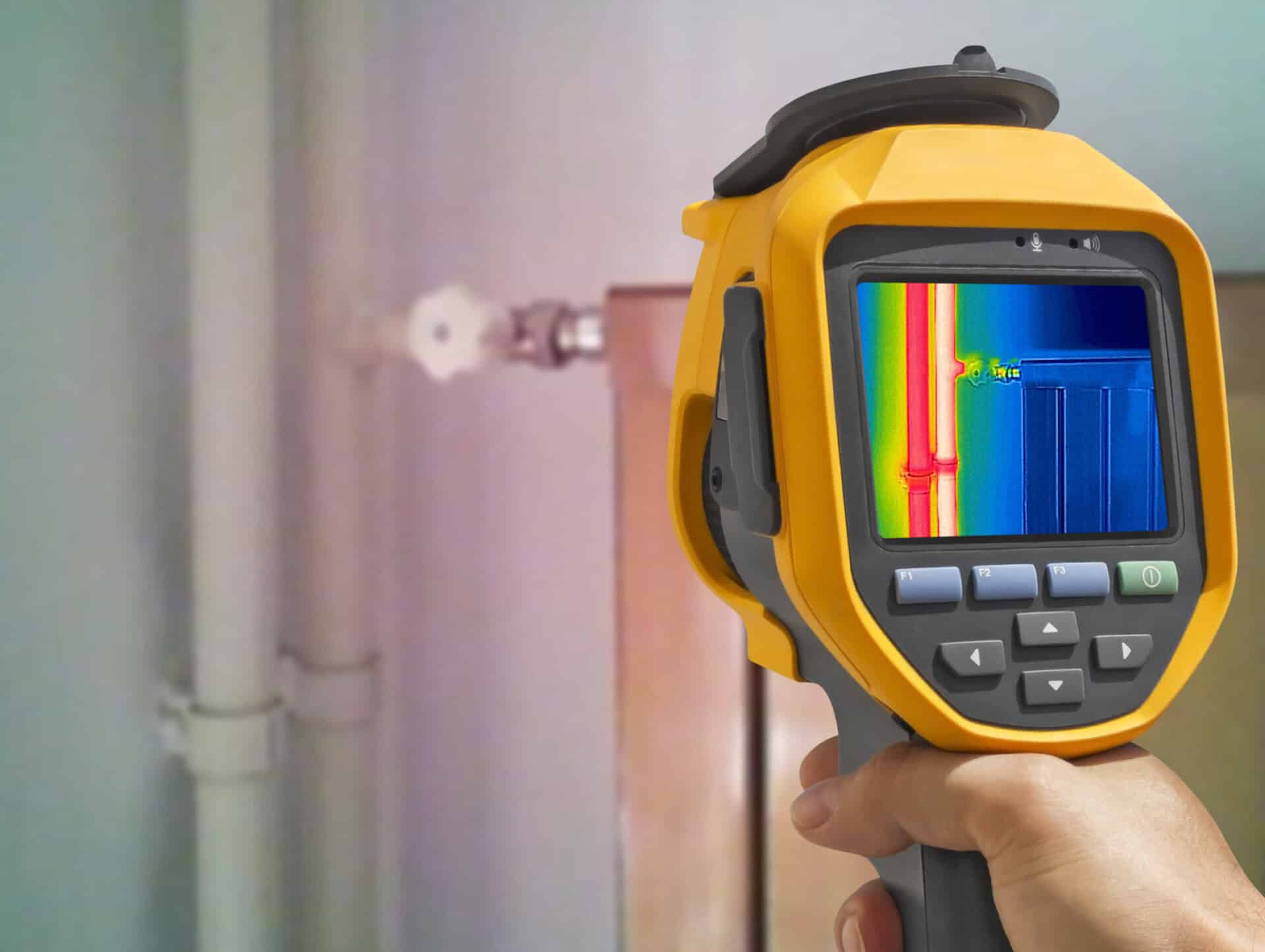
Find the Cause of Repeated Heating Pressure Loss
Tell us how often the pressure drops and whether it happens during a heating cycle, after the system cools or while the heating is off. Mention any recent radiator replacement, flooring work or changes to the heating system. That history helps us decide which parts of the system to check first, especially when the floor and the fittings around the boiler look dry.
Repeated pressure loss can have more than one cause. If the evidence points towards a fault within the appliance, a boiler engineer may need to assess it. Where the symptoms suggest water loss from the pipework, our Liverpool leak detection team can investigate the heating circuit and explain where the findings point.
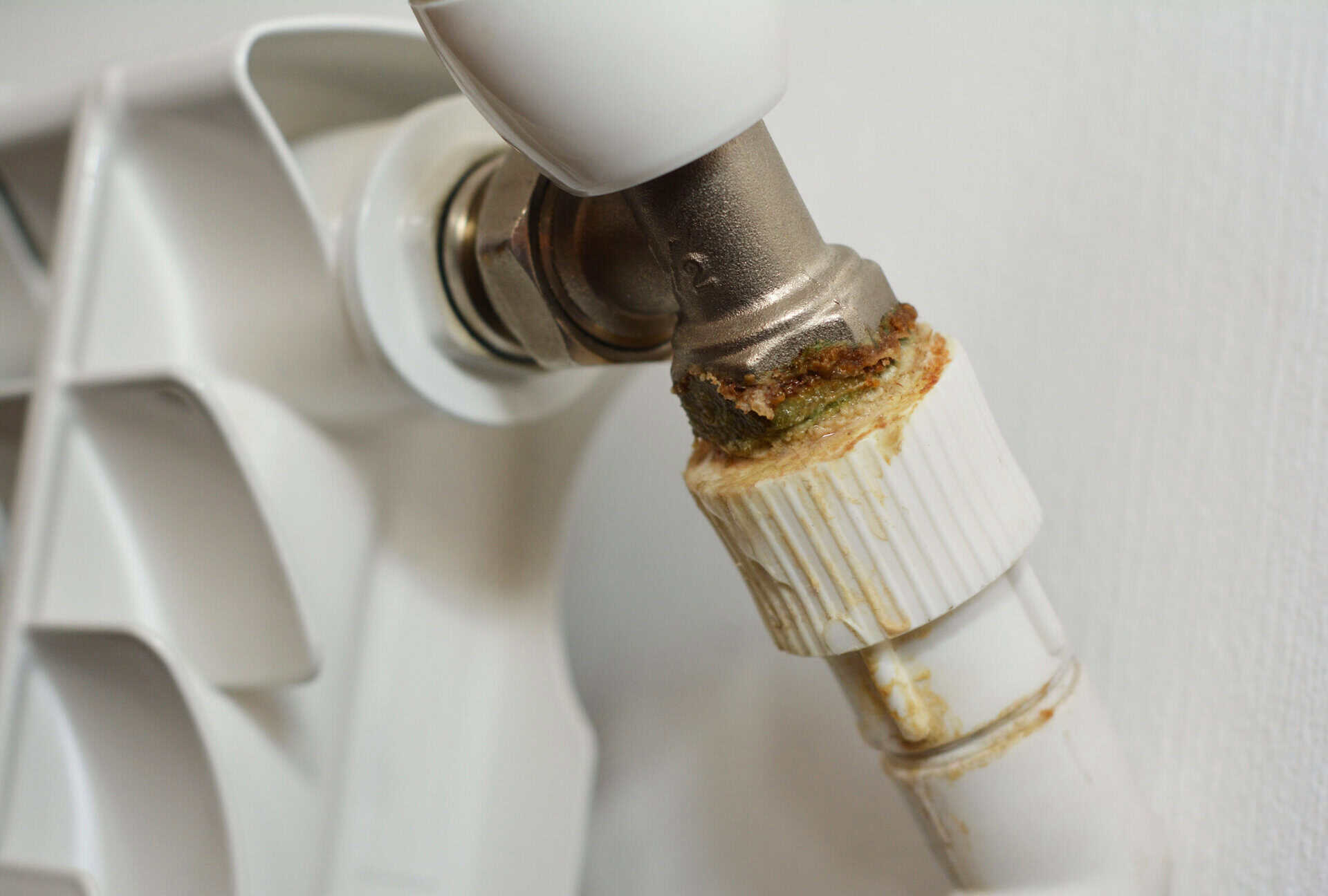
Check Radiator Valves, Towel Rails and Exposed Connections
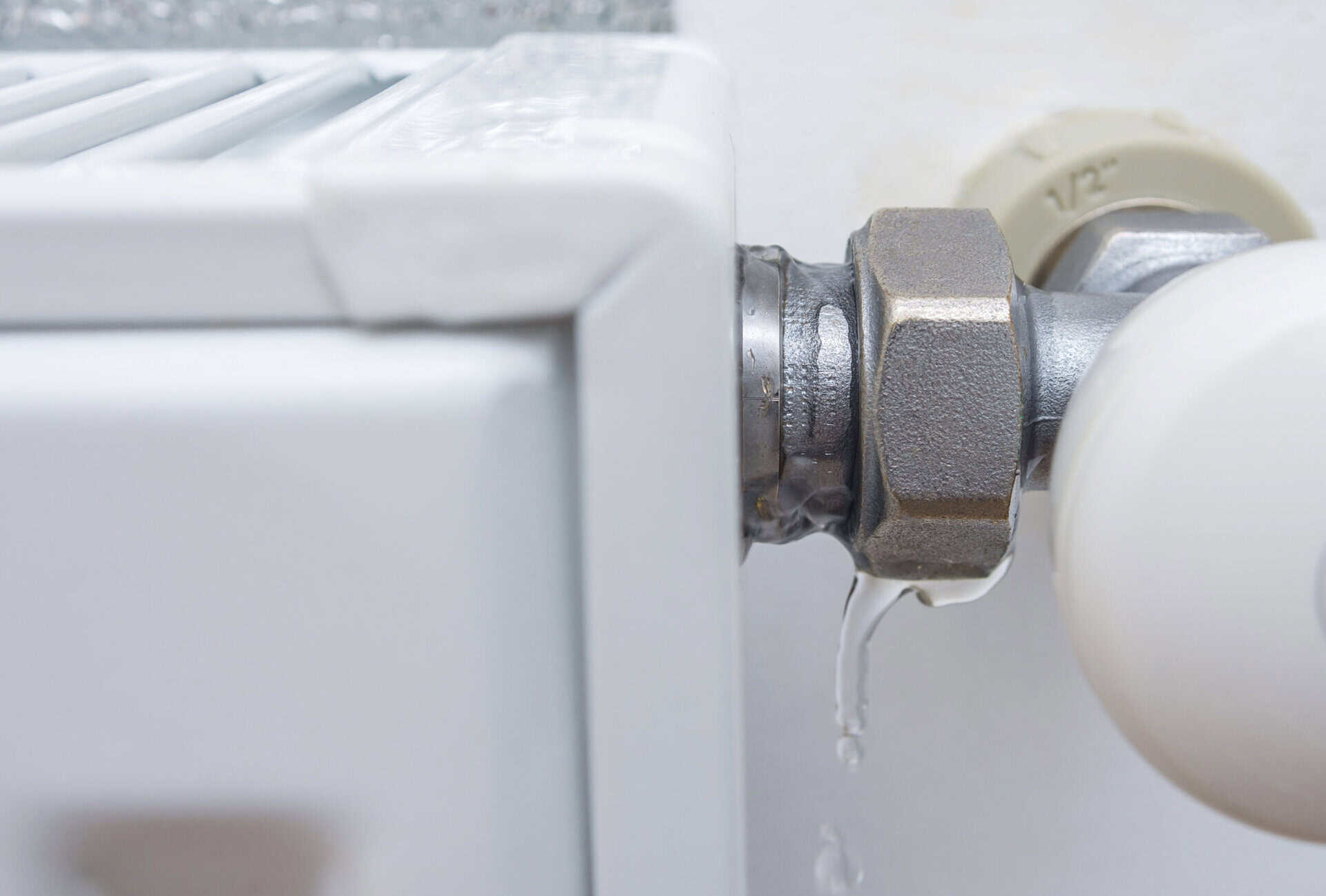
A small leak at a radiator valve can leave a mark below the connection during a heating cycle. By the time the radiator cools, the floor may look dry again. Check where you first saw the mark and let us know if the radiator or towel rail was recently removed, refitted or replaced. A photograph taken when the fitting is wet can help us identify the connection involved.
If several radiators sit along the same pipe route, it helps to know which fittings have shown signs of moisture. We start with connections we can see and use the condition of nearby floors, walls and skirting boards to guide further checks. Where damp is close to a bathroom or kitchen fitting, our plumbing leak detection service can help investigate other possible sources.
Specialist Leak Detection Services
From hidden water leaks and underground pipework to tracer gas and thermal imaging, our specialists use professional detection equipment to accurately locate leaks with minimal disruption.
Water Leak Detection
Detect hidden water leaks quickly using specialist non-invasive equipment, helping to prevent costly damage and unnecessary disruption.
View Service →
Plumbing Leak Detection
Accurately identify concealed plumbing leaks before they cause further damage to walls, floors, ceilings or surrounding fixtures.
View Service →
Water Mains Leak Detection
Locate mains water leaks responsible for low pressure, unexplained water usage, damp ground or unexpectedly high water bills.
View Service →
External Pipe Leak Detection
Find leaks in external pipework and supply lines without unnecessary excavation or widespread disruption around your property.
View Service →
Gas Leak Detection
Specialist gas leak detection using professional equipment to help accurately identify the source of suspected gas leaks.
View Service →
Underground Water Leak Detection
Pinpoint hidden underground water leaks using advanced detection methods designed to reduce unnecessary digging and property damage.
View Service →
Trace & Access Leak Detection
Precisely locate concealed leaks and identify the most appropriate access point, helping to minimise unnecessary disturbance.
View Service →
Underfloor Heating Leak Detection
Locate leaks beneath underfloor heating systems without immediately lifting large areas of flooring or causing unnecessary damage.
View Service →
Commercial Leak Detection
Professional leak detection for commercial premises, helping businesses locate faults quickly and reduce costly operational disruption.
View Service →
Tracer Gas Leak Detection
Use highly sensitive tracer gas testing to identify difficult leaks where conventional detection methods may be less effective.
View Service →
Thermal Imaging Leak Detection
Identify temperature differences caused by hidden leaks within floors, walls and ceilings using professional thermal imaging technology.
View Service →
Swimming Pool Leak Detection
Locate swimming pool leaks accurately to reduce unnecessary water loss and help protect the surrounding structure and equipment.
View Service →Common Leaks We Investigate in Liverpool
North West Leak Detection traces water leaks in homes and commercial premises across Liverpool and the wider North West. If you can see water damage but the source is unclear, use the sections below to find the right investigation.
Kitchens, Bathrooms and Utility Rooms
- Leaking taps
- Dripping taps
- Leaking toilets
- Leaking showers
- Leaking shower trays
- Leaking shower screens
- Leaking baths
- Leaking bath seals
- Leaking bathroom sinks
- Leaking kitchen sinks
- Leaking bathroom plumbing
- Leaking kitchen plumbing
- Leaking toilet cisterns
- Leaking toilet supply pipes
- Leaking washing machine connections
- Leaking dishwasher connections
Heating and Hot Water
- Leaking radiators
- Leaking radiator valves
- Leaking central heating pipes
- Leaking boiler pipework
- Leaking hot water cylinders
- Leaking water tanks
- Leaking underfloor heating pipes
Pipework, Valves and Connections
- Burst pipes
- Leaking water pipes
- Leaking waste pipes
- Leaking overflow pipes
- Leaking stopcocks
- Leaking isolation valves
- Leaking pipe joints
- Leaking compression fittings
- Leaking flexible tap connectors
- Leaking water supply connections
Outdoor and Concealed Leaks
- Leaking outdoor taps
- Leaking underground water pipes
- Leaking mains water pipes
- Leaking pipes under floorboards
- Leaking pipes behind walls
- Leaking pipes beneath concrete floors
- Hidden water leaks
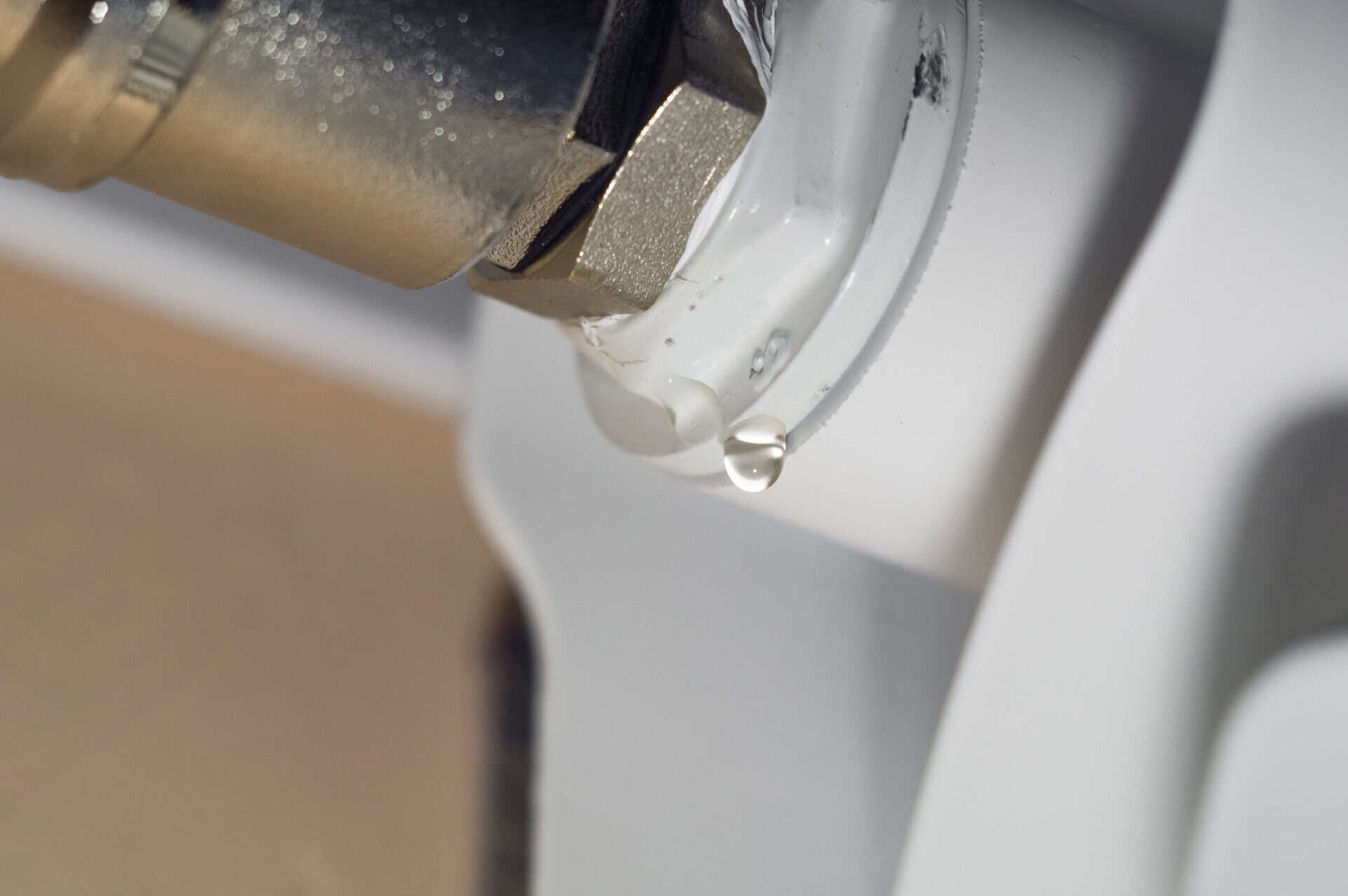
Check Radiator Valves, Towel Rails and Exposed Connections
A small leak at a radiator valve can leave a mark below the connection during a heating cycle. By the time the radiator cools, the floor may look dry again. Check where you first saw the mark and let us know if the radiator or towel rail was recently removed, refitted or replaced. A photograph taken when the fitting is wet can help us identify the connection involved.
If several radiators sit along the same pipe route, it helps to know which fittings have shown signs of moisture. We start with connections we can see and use the condition of nearby floors, walls and skirting boards to guide further checks. Where damp is close to a bathroom or kitchen fitting, our plumbing leak detection service can help investigate other possible sources.
Trace Heating Pipes Beneath Floors and Inside Walls
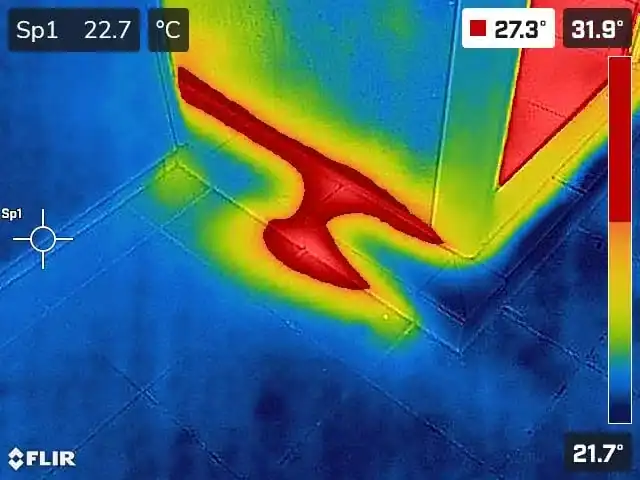
Concealed heating pipes may run beneath floorboards, through a wall or below a solid floor. Water can travel along those routes before it leaves a visible mark, so the damp area gives us a starting point. Where conditions are suitable, thermal imaging may help show temperature patterns around warm pipework. We consider those findings alongside the layout, pressure history and other evidence from the property.
If the suspected section is difficult to reach, we discuss which checks are possible before any flooring or wall finish is opened. Our trace and access service can help establish where an opening would provide useful access to a concealed pipe or connection.
Investigate Water Loss on a Wet Underfloor Heating Circuit
If the building has wet underfloor heating, tell us which rooms it serves and whether you know how the zones are arranged. The manifold and visible connections can give us a place to start. Installation drawings or photographs taken before the floor was finished can help show the pipe layout, especially where the circuit passes through more than one room.
Let us know if the issue began after new flooring or work near the heated area. If the suspected leak is in one of the floor circuits, our underfloor heating leak detection service covers that type of investigation in more detail.
Arrange Access for Flats, Rentals and Commercial Premises
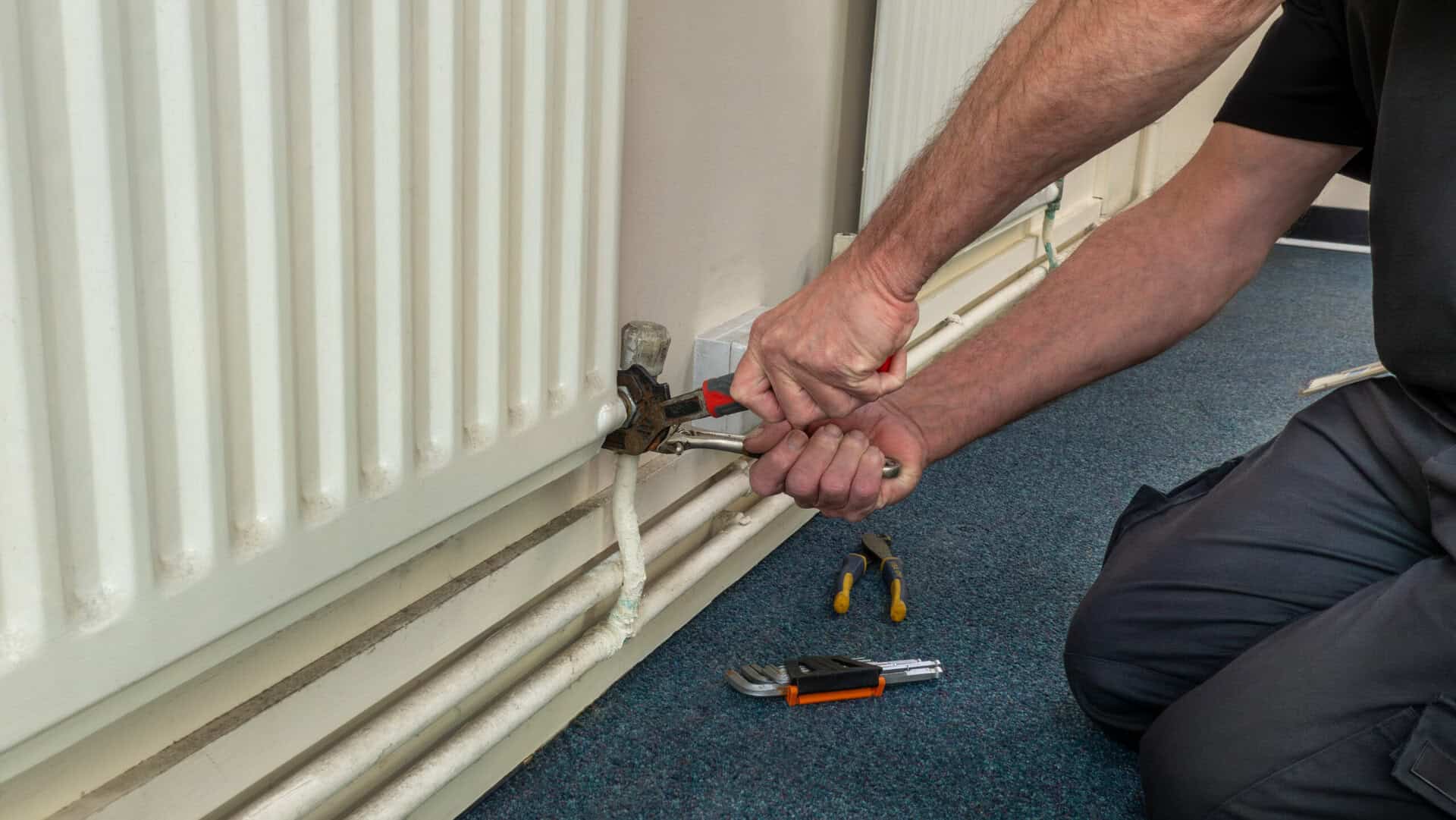
A heating leak may first be reported by someone in the flat below or in a room next to the affected pipework. If you manage the property, tell us which units are affected, who can provide access and whether any cupboards or service areas are shared. It also helps to know where the heating equipment is and who can authorise access if we need to inspect more than one room.
For an occupied business, give us the times when the relevant areas can be inspected and whether the heating serves neighbouring units. Find out more about North West Leak Detection or send us the property details to discuss the visit.
Use the Findings to Plan the Heating Repair
After the investigation, we explain which part of the heating system the evidence points to and what further checks may be needed. A leak at an exposed fitting may be straightforward to reach. Where a suspected pipe sits beneath a finished floor or behind a wall, we will discuss the access needed to confirm its location and brief whoever is carrying out the repair.
If you need to speak to your insurer before opening a surface, tell us when you book. Our guide to trace and access insurance in Liverpool explains which questions to raise about evidence and approval before work begins.
Frequently Asked Questions
Yes. A sealed heating circuit can lose water at a radiator connection, inside a wall or beneath a floor with no visible moisture around the boiler. A fault within the appliance can also cause pressure loss, so tell us how often the reading changes and when you first noticed it. It is useful to know whether the pressure drops during heating or after the system has cooled, and whether any radiators or pipes have recently been replaced. We use that history alongside the accessible checks to decide where the investigation should start and whether a boiler engineer needs to look at the appliance.
The access needed depends on the route of the pipes and what the investigation finds. We start with the visible parts of the system, any existing access points and the areas where damp has been reported. If the suspected pipe runs under tiles, flooring plans or photographs from earlier work can help us work out where it may be. Suitable detection methods can narrow down which area needs attention before a surface is opened. If an opening is needed to confirm the source or reach the pipe, we explain where it would be useful and what the person carrying out the repair needs to know.
Yes. Water from a radiator valve or pipe connection can pass through a gap around the pipe or travel along the floor before showing as a ceiling stain. If the mark changes during a heating cycle, tell us which radiator is above or near the affected area and whether the system has been losing pressure. A photo of the ceiling and another of the room above can help us compare their positions. We also consider whether a nearby bathroom, appliance or water supply could be involved, particularly when several pipes or fixtures share the same floor void and the stain appears at different times.
Yes. Tell us which rooms the suspected zone serves and whether other parts of the property have shown any signs of damp or pressure loss. If you have the installation paperwork, include the manifold location and any drawings showing the pipe routes. Let us know about recent work to the floor, skirting boards or door thresholds, as that can help us understand when the issue began. Our wet underfloor heating leak detection service starts with the layout and accessible connections, then considers further checks based on the symptoms. We will discuss what the findings indicate before any access to concealed pipework is agreed.
Ask what evidence the insurer needs, whether it requires approval before the investigation and what it expects if a floor or wall needs opening. Have the date you first noticed the pressure loss, any photographs of water damage and details of previous visits ready. If you are arranging the work for a landlord or a shared building, confirm who is responsible for the policy and who can approve access. Share any instructions with us when booking so we can explain what the visit will cover and what information can be provided about the suspected source, the affected area and the checks carried out.
We take enquiries across Liverpool, including the city centre, Allerton, Wavertree, Anfield and Walton, as well as surrounding parts of Merseyside. If the property is outside Liverpool, see our local pages for leak detection in Crosby and leak detection in Southport. Send us the full postcode so we can confirm coverage and availability for your visit. If the property is a flat, rental home or business, tell us who can provide access and whether the heating equipment is in a shared or restricted area. Include where the symptoms first appeared and whether they affect more than one room or unit.