

For many people, the idea of leak detection still brings to mind broken tiles, dug-up gardens and sections of flooring removed in stages until the source is finally uncovered. Historically, that was often how leaks were found. Plumbers would follow visible damage, remove materials layer by layer and hope to uncover the problem quickly.
The issue with that approach is simple. Water rarely travels in straight lines. A damp patch on a ceiling might be metres away from the actual pipe defect. A wet area in the garden may not sit directly above the failing supply line. Trial and error can result in significant disruption before the leak is even confirmed.
At North West Leak Detection, we take a different approach. Our goal is to identify the exact source of a leak before any access work begins. That means using specialist diagnostic equipment rather than guesswork.
Why Digging First Causes More Damage
When leaks are investigated without modern detection methods, property damage often increases unnecessarily. Tiles are lifted, driveways are cut into and large floor sections are opened based on suspicion rather than evidence.
This can escalate repair costs and extend downtime for commercial premises. It also adds stress for homeowners already dealing with rising water bills or visible damage.
The smarter solution is to confirm the precise location first. Only then should targeted access take place.
Step One: Confirming There Is an Active Leak
Before locating a leak, we confirm that one exists. This might sound obvious, but unexplained damp or a sudden water bill increase does not always mean a current pipe failure.
We begin by assessing water meter movement, system pressure and property symptoms. If water continues flowing when all outlets are closed, that strongly suggests active water loss.
Pressure testing can also identify whether a sealed system is dropping below expected levels.
This structured assessment ensures we are not investigating a historical issue that has already resolved.
Acoustic Leak Detection: Listening for the Problem
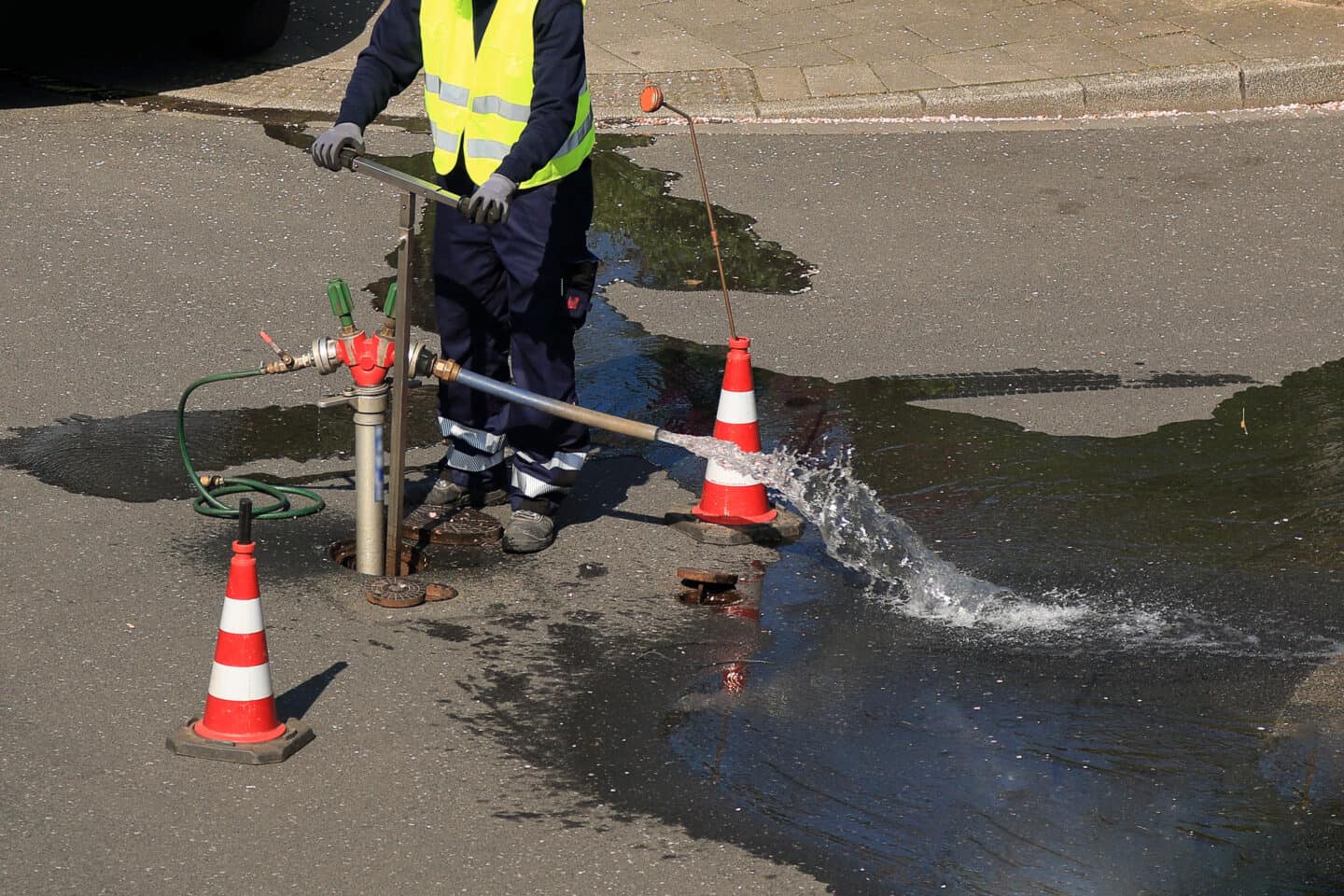
One of the most effective non-invasive techniques we use is acoustic leak detection. Pressurised water escaping from a pipe creates vibration and sound waves. These travel through pipework and surrounding materials such as soil, screed and concrete.
Using highly sensitive listening equipment, we trace the path of the pipe and identify areas where sound intensity increases. The leak typically produces the strongest and most consistent acoustic signature at its source.
By systematically moving listening devices across suspected routes, we narrow the location down to a precise point.
Instead of lifting entire floors, we identify one confirmed area that requires access.
Tracer Gas Detection for Hard-to-Find Leaks
In some cases, particularly where pipework is buried deeply or heavily insulated, acoustic signals may be faint. This is where tracer gas methods are used.
A safe, inert gas mixture is introduced into the pipework. Because the gas molecules are extremely small, they escape through even tiny defects. Specialist detection equipment then measures the presence of the gas at the surface.
This allows us to pinpoint leaks beneath solid floors, paved areas or underground supply lines without excavation. Tracer gas detection is particularly effective in situations where water is not visibly surfacing.
Thermal Imaging to Identify Temperature Differences

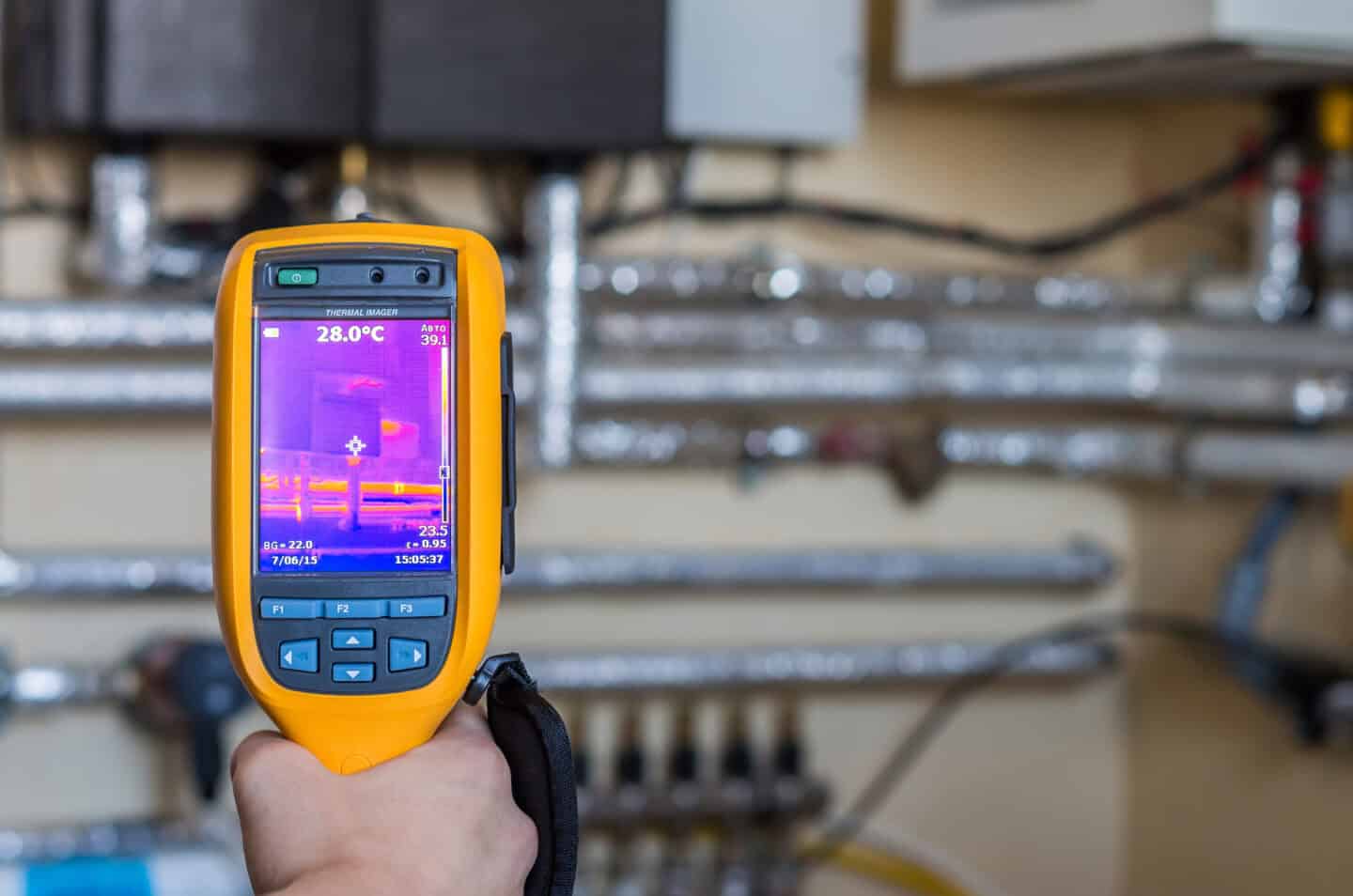
Thermal imaging cameras allow us to detect temperature variations caused by water leaks. Escaping hot water from central heating systems can create subtle heat patterns beneath floors or behind walls.
By scanning surfaces with infrared technology, we identify anomalies that suggest moisture presence or pipe failure.
Thermal imaging is especially useful for underfloor heating systems and internal pipework hidden within structures.
It does not replace acoustic or tracer gas methods, but it adds an additional layer of confirmation.
Locating Underground Supply Pipe Leaks
Supply pipes running from the main water connection to a property are often buried beneath gardens, driveways or footpaths. When these pipes fail, significant water can be lost without visible signs.
Instead of digging along the entire route, we trace the pipe using listening equipment and ground microphones. By scanning systematically, we identify the loudest acoustic response.
This narrows the excavation area dramatically.
For homeowners, this means preserving landscaped gardens and driveways. For businesses, it prevents disruption to external access areas.
Detecting Leaks Beneath Concrete Floors
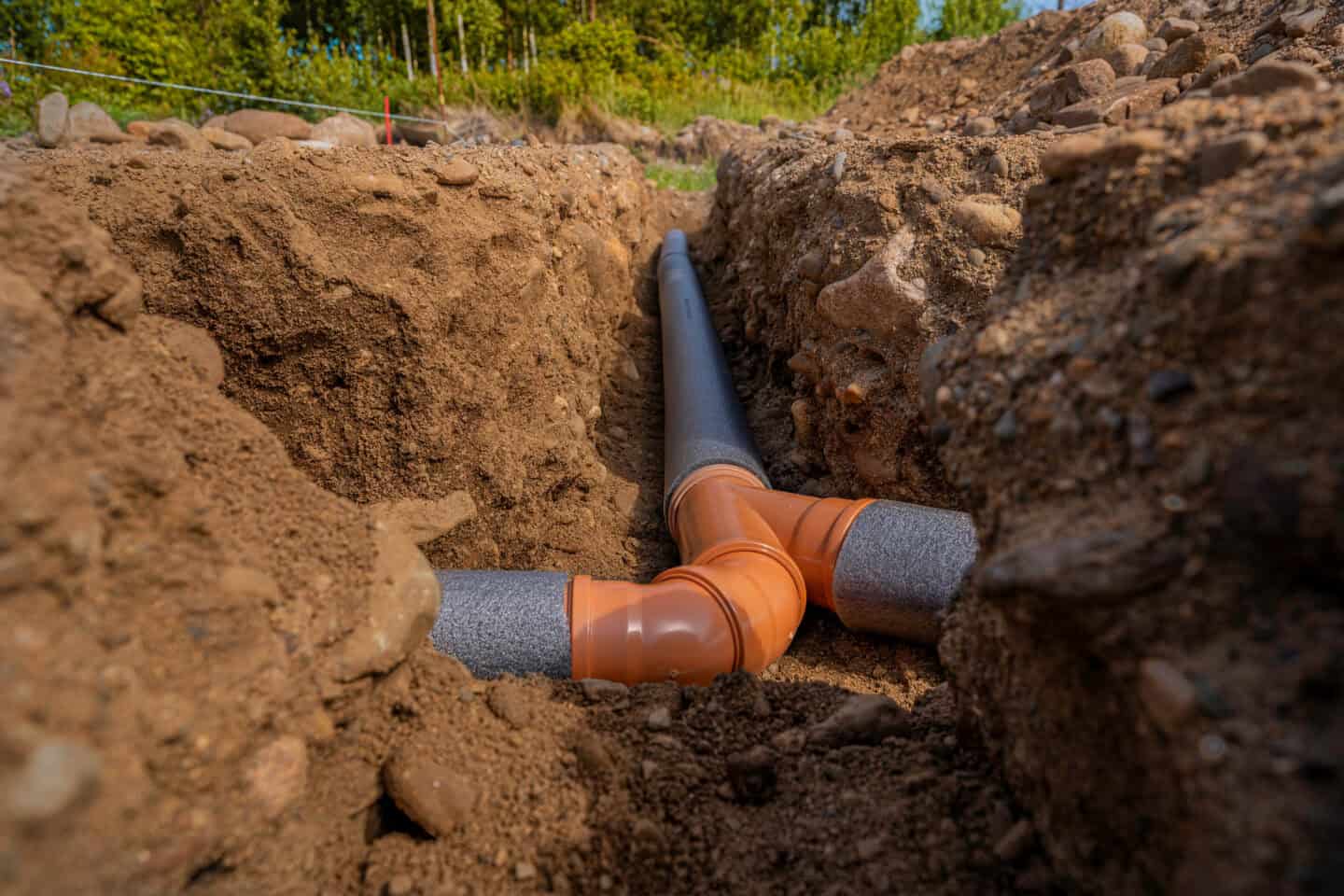
Leaks beneath concrete floors are among the most stressful for property owners because access can seem complex and destructive.
Using acoustic sensors placed directly on the floor surface, we listen for vibration transfer from the pipe below. Sound travels through solid materials, allowing us to identify the leak without breaking the slab prematurely.
If tracer gas is required, it can further refine the location.
Once confirmed, access is limited to a single targeted section rather than an entire floor area.
How We Avoid Unnecessary Structural Damage
The key to avoiding widespread damage is layered investigation.
We do not rely on one method alone. Instead, we assess which diagnostic tools are most suitable for the property layout and pipe type. By combining acoustic listening, pressure testing, thermal imaging and tracer gas where necessary, we build a clear picture of the problem.
Only when the location is confirmed do we recommend access.
This measured approach prevents avoidable destruction and keeps repair work focused.
Supporting Insurance Trace and Access Claims
Many property owners contact us after their insurer has requested a trace and access report.
Insurance companies require evidence of the leak’s source before approving repair costs. By using non-invasive detection methods, we identify the exact location and document the findings clearly.
This reduces disputes and prevents unnecessary access work that might not be covered under policy terms.
Accurate diagnosis supports smoother claims and protects property owners from unexpected expenses.
Commercial Leak Detection Without Downtime

For commercial premises, digging up floors or external areas can interrupt operations and impact revenue.
By using advanced detection equipment, we locate leaks while allowing businesses to continue operating wherever possible.
Retail units, hospitality venues and office buildings benefit particularly from non-destructive techniques. Instead of closing entire areas for exploratory works, disruption is confined to the confirmed leak point.
This targeted strategy keeps business interruption to a minimum.
Why Experience Matters
Technology alone does not guarantee accuracy. Interpreting sound frequencies, thermal patterns and gas readings requires training and experience.
Background noise, environmental vibration and structural variations can all influence results. Skilled engineers understand how to filter these factors and identify consistent leak signatures.
At North West Leak Detection, our approach combines specialist equipment with practical expertise. We focus on precision, not assumption.
When Digging Is Unavoidable
Although our goal is always to minimise disruption, there are situations where access is required. Once the leak location is confirmed, controlled access becomes necessary to carry out repairs.
The difference is that excavation or opening work is limited to one confirmed point.
Instead of digging blindly along a pipe run, we ensure that every break in the surface has a clear purpose.
Precision first. Access second.
Why Acting Early Protects Your Property
The longer a leak continues, the more structural damage it can cause. Water can weaken subfloors, undermine foundations and encourage mould growth.
Early detection prevents secondary damage.
By locating leaks quickly without unnecessary digging, we preserve both the property structure and its surroundings.
For homeowners, this means fewer repairs. For businesses, it means reduced downtime and controlled costs.
A Smarter Approach to Leak Detection
Modern leak detection has evolved significantly. The days of large-scale exploratory damage are no longer necessary in most cases.
With the right equipment and expertise, leaks can be located accurately beneath floors, inside walls and underground without tearing apart your property.
At North West Leak Detection, our role is to remove uncertainty. We confirm the source using precise, non-invasive techniques before recommending any access work.
If you suspect a hidden leak, the solution is not to start digging. The solution is to diagnose first.
And when you diagnose properly, disruption becomes minimal and resolution becomes straightforward.