

Water leaks can cause serious damage if they are not identified and resolved quickly. In many cases, the most challenging leaks are those that are hidden beneath floors, behind walls, or within complex plumbing systems. At North West Leak Detection in Liverpool, we use a range of specialist techniques to locate leaks accurately without causing unnecessary disruption. In this guide, we explain the most effective leak detection methods used across residential and commercial properties and how each one helps us pinpoint the source of a problem.
Why Professional Leak Detection Methods Matter
Finding a leak is not always as simple as following visible water damage. In many properties, especially older buildings or larger commercial sites, pipework is hidden from view. This means leaks can continue for long periods before being discovered. By the time signs such as damp patches or mould appear, the issue may already be widespread.
Professional leak detection methods allow us to identify the exact source of the problem without guesswork. At North West Leak Detection, we use non-invasive technology wherever possible to reduce disruption and avoid unnecessary damage to your property. Each method is chosen based on the type of system, the suspected location of the leak, and the construction of the building.
Using the right combination of tools ensures a more accurate result, helping to reduce repair costs and resolve the issue more quickly.
Thermal Imaging Technology
Thermal Imaging Technology is one of the most widely used tools in modern leak detection. It works by detecting temperature differences within building materials. When water escapes from a pipe, it can cause changes in temperature that are not visible to the naked eye but can be clearly identified using a thermal camera.
This method is particularly effective for locating leaks in hot water systems or underfloor heating. It allows us to scan large areas quickly and highlight potential problem zones without lifting floors or opening walls. In commercial environments, this can save a significant amount of time and minimise disruption to operations.
At North West Leak Detection, we often use thermal imaging as an initial step in our investigations. It helps us narrow down the search area before applying more targeted techniques to confirm the exact location of the leak.
Acoustic Listening Equipment
Acoustic Listening Equipment is designed to detect the sound of water escaping from pipes. Even small leaks create vibrations and noise as water passes through or escapes from the pipework. These sounds can travel through materials such as concrete, making them detectable with sensitive listening devices.
This method is particularly useful for locating leaks in pressurised systems, including mains water pipes and central heating systems. Our engineers use specialised microphones and headphones to listen for changes in sound patterns and identify the precise point where water is escaping.
Acoustic detection is highly effective when used by experienced professionals. At North West Leak Detection, we combine this method with other techniques to ensure accuracy. It is a reliable way to pinpoint leaks beneath floors or behind walls without the need for unnecessary excavation.
Tracer Gas Detector
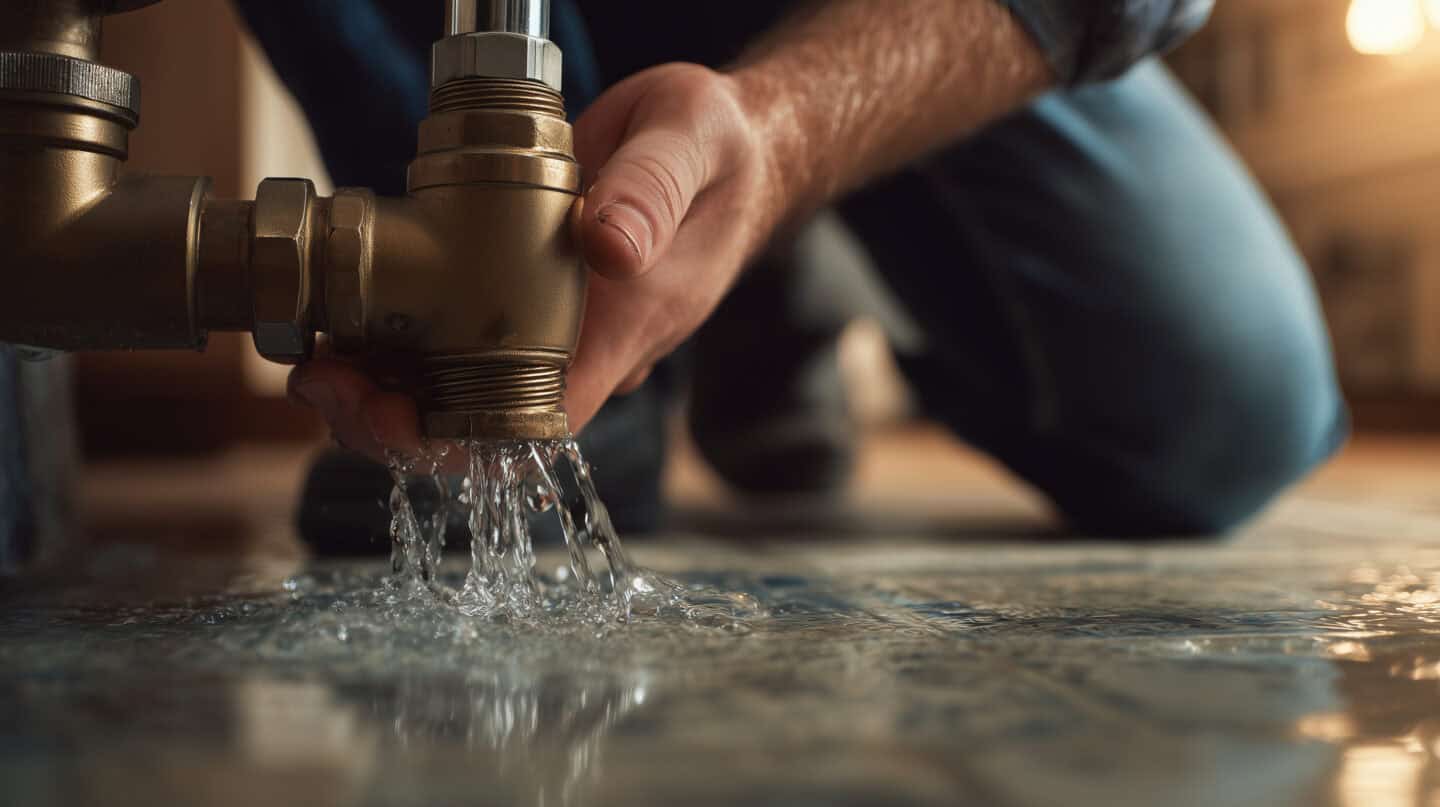
A Tracer Gas Detector is used in situations where other methods may not provide clear results. This technique involves introducing a safe, non-toxic gas into the pipework system. The gas travels through the pipes and escapes at the point of the leak.
Once the gas reaches the surface, it can be detected using highly sensitive equipment. This allows us to pinpoint the exact location of the leak, even in complex or hard-to-access areas. Tracer gas detection is particularly effective for underground pipes, flat roofs, and systems where water is not visibly surfacing.
At North West Leak Detection, we use tracer gas as part of a targeted approach when other methods need additional confirmation. It is a precise and reliable solution for identifying difficult leaks.
Moisture Meter
A Moisture Meter is used to measure the level of moisture within materials such as walls, floors, and ceilings. This tool helps us determine how far water has spread and identify areas that may be affected by a leak.
Moisture meters are particularly useful when investigating damp patches or suspected water damage. By taking readings across different areas, we can build a picture of how the moisture is moving and where it is most concentrated. This helps guide our investigation and focus on the most likely source of the problem.
At North West Leak Detection, we use moisture meters alongside other detection methods to support our findings. They provide valuable data that helps confirm the presence of a leak and assess the extent of the damage.
Endoscope Camera
An Endoscope Camera allows us to visually inspect areas that would otherwise be inaccessible. This small, flexible camera can be inserted into cavities, behind walls, or beneath floors through a very small access point.
This method is particularly useful when we need to confirm the condition of pipework or identify visible signs of a leak without removing large sections of material. It provides a clear view of hidden spaces, helping us make informed decisions about the next steps.
Using an endoscope camera helps minimise disruption and avoids unnecessary damage to your property. At North West Leak Detection, we use this technology to support our non-invasive approach and ensure accurate results.
Tracer Dye
Tracer Dye is a simple but effective method used to track the flow of water and identify leaks. A coloured dye is introduced into the system, and its movement is monitored to see where it appears.
This method is often used for detecting leaks in drainage systems, flat roofs, or areas where water flow needs to be traced. It can help confirm whether water is entering a specific area and identify the path it is taking.
At North West Leak Detection, tracer dye is used as part of a wider investigation. It is particularly useful for confirming findings from other detection methods and ensuring that the correct area is targeted for repair.
Salts Analysis Kit
A Salts Analysis Kit is used to determine the source of moisture by analysing the type of salts present in the affected area. Different types of water leave behind different salt residues, which can help identify whether the moisture is coming from a plumbing leak, groundwater, or another source.
This method is especially useful in situations where the cause of damp is unclear. It allows us to distinguish between rising damp, penetrating damp, and leaks from internal pipework.
At North West Leak Detection, we use salts analysis as part of a comprehensive approach to diagnosing moisture issues. It helps ensure that the correct problem is identified and that the appropriate solution is applied.
Combining Methods For Accurate Results
No single leak detection method is suitable for every situation. The most effective approach is to combine different techniques based on the specific circumstances of the property. At North West Leak Detection, we assess each case individually and select the most appropriate tools for the job.
By using a combination of Thermal Imaging Technology, Acoustic Listening Equipment, Tracer Gas Detector methods, Moisture Meters, Endoscope Cameras, Tracer Dye, and Salts Analysis Kits, we can achieve highly accurate results. This ensures that leaks are located quickly and repairs can be carried out with minimal disruption.
Our goal is always to provide a clear, efficient, and professional service that helps property owners resolve issues with confidence. Whether you are dealing with a small domestic leak or a complex commercial problem, using the right detection methods makes all the difference. Contact us to find out more.