
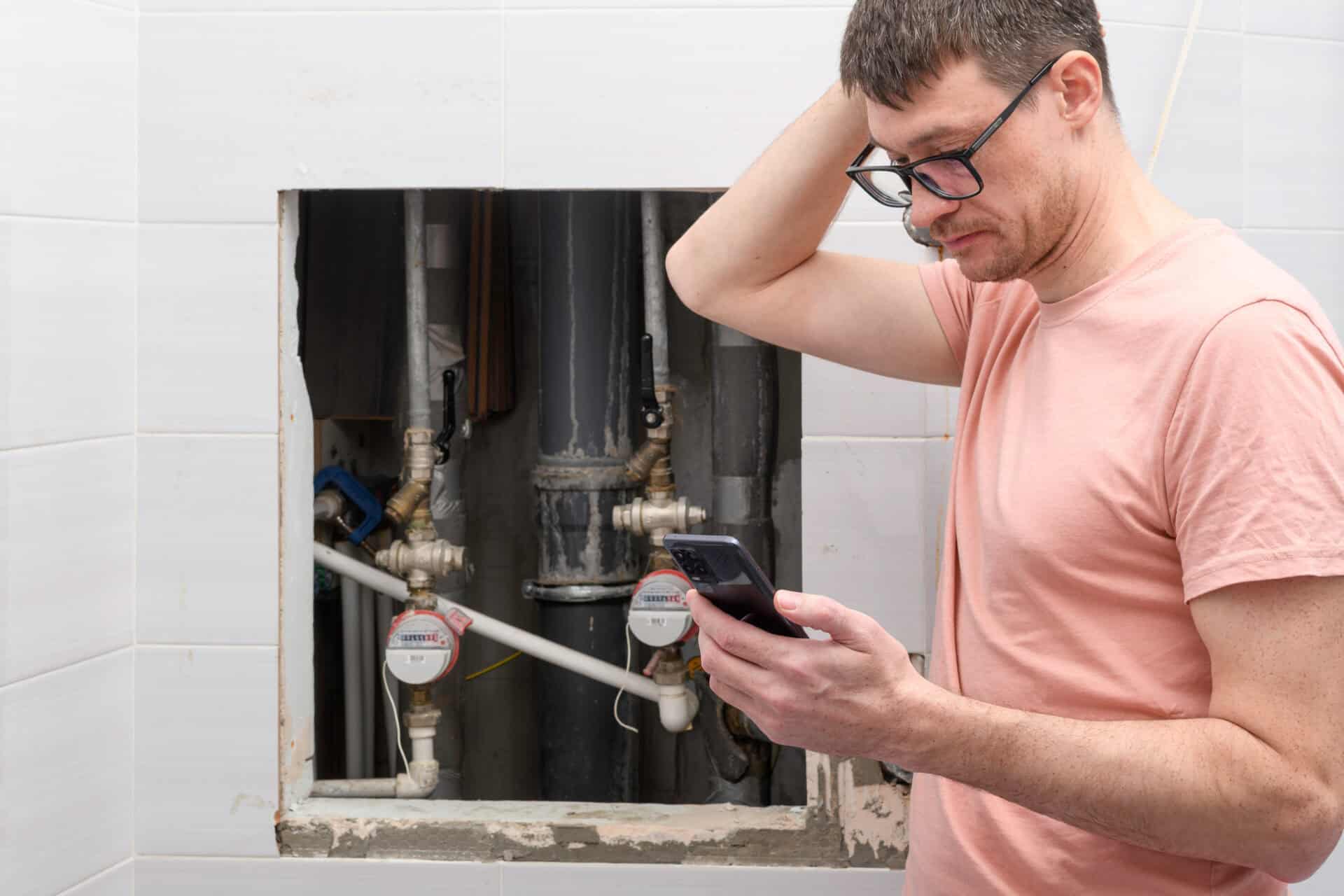
If your water company says you have a leak, but you cannot see any water escaping, it can be difficult to know what to do next. In many cases, the concern relates to a possible leak on a private supply pipe or an unexplained pattern of water use recorded at the meter.
The first step is to understand exactly what the company is telling you. A general alert about unusual consumption is not necessarily the same as a formal leakage notice, and the action required can depend on the wording of the communication, the location of the suspected leak and the rules applied by your water supplier. This guide explains what to check and how to approach the next steps.
WHY MIGHT A WATER COMPANY CONTACT YOU ABOUT A POSSIBLE LEAK?
Water companies monitor their networks and customer meter readings to identify unusual water use. If a meter records water passing through the supply over a sustained period when the household would not normally be expected to use it, the supplier may contact the customer. The monitoring and notification process varies between suppliers.
This does not automatically mean that water is visibly escaping inside the property. A leak may be underground in the pipe connecting the water main to the building, within the plumbing system, or associated with an appliance or toilet that is allowing water to run unnoticed. In some cases, the company may have identified a possible issue during routine checks or following a report.
An initial contact is usually intended to alert you to a possible problem so that it can be checked. A general notification, a request to check your meter and a formal notice can have different implications.
WHAT DOES A WATER LEAKAGE NOTICE OR CONTINUOUS-FLOW LETTER MEAN?
Water companies use different wording when they contact customers about suspected leakage. You might receive a letter or email referring to continuous flow, unusually high consumption, a possible supply-pipe leak or a leakage notice. The wording matters because it helps explain whether the supplier is asking you to investigate a concern or setting out a formal requirement.
A continuous-flow notification may mean that the meter has recorded water passing through the supply for a sustained period. This can be a useful warning sign, but it does not identify the precise location of a leak or prove that the private supply pipe is responsible. A running toilet or another source of ongoing water use can produce a similar pattern.
In England and Wales, some suppliers may issue a formal notice where they believe a leak is occurring on a private supply pipe. Ofwat guidance explains when a company may issue a legal notice under the Water Industry Act 1991 where leakage cannot be attributed to its own pipes. The details and timescales should be set out in the notice. Not every initial letter or alert should be assumed to be a formal statutory notice.
If the wording is unclear, contact the water company that sent it and ask whether it is an advisory notification, a request for investigation or a formal notice requiring action.
DOES A WATER COMPANY LETTER PROVE THE LEAK IS ON YOUR PROPERTY?
A letter from your water supplier is a reason to investigate, but it does not necessarily tell you exactly where the water is escaping. The supplier may have identified a pattern of usage or evidence of leakage without having located the fault itself.
In many properties, the water company is responsible for the water main and the communication pipe connecting it to the private supply pipe. The property owner is generally responsible for the private supply pipe serving the property and internal plumbing. The precise boundary can depend on the layout of the supply, the property boundary and whether the pipe serves more than one property.
Do not assume the leak is inside the house or that excavation is immediately necessary. Ask what evidence led to the notification, which part of the supply may be affected and what action is expected. Tell the supplier if the property shares a supply.
WHAT SHOULD YOU DO FIRST AFTER RECEIVING A LEAK NOTIFICATION?
Start by checking the date of the communication, the address and account details, the reason given for the suspected leak and any response or repair deadline. Keep the letter or email so that you can refer to its wording when speaking to the supplier.
Contact the water company using the details on its official website or your account, rather than relying on an unexpected telephone number or link in a message. Section 75 of the Water Industry Act 1991 sets out relevant powers, but the notice itself and your supplier’s current guidance are the practical starting points for understanding what you need to do. Ask whether the notification is advisory or formal, what checks have already been carried out, which part of the supply may be affected and what action it expects from you.
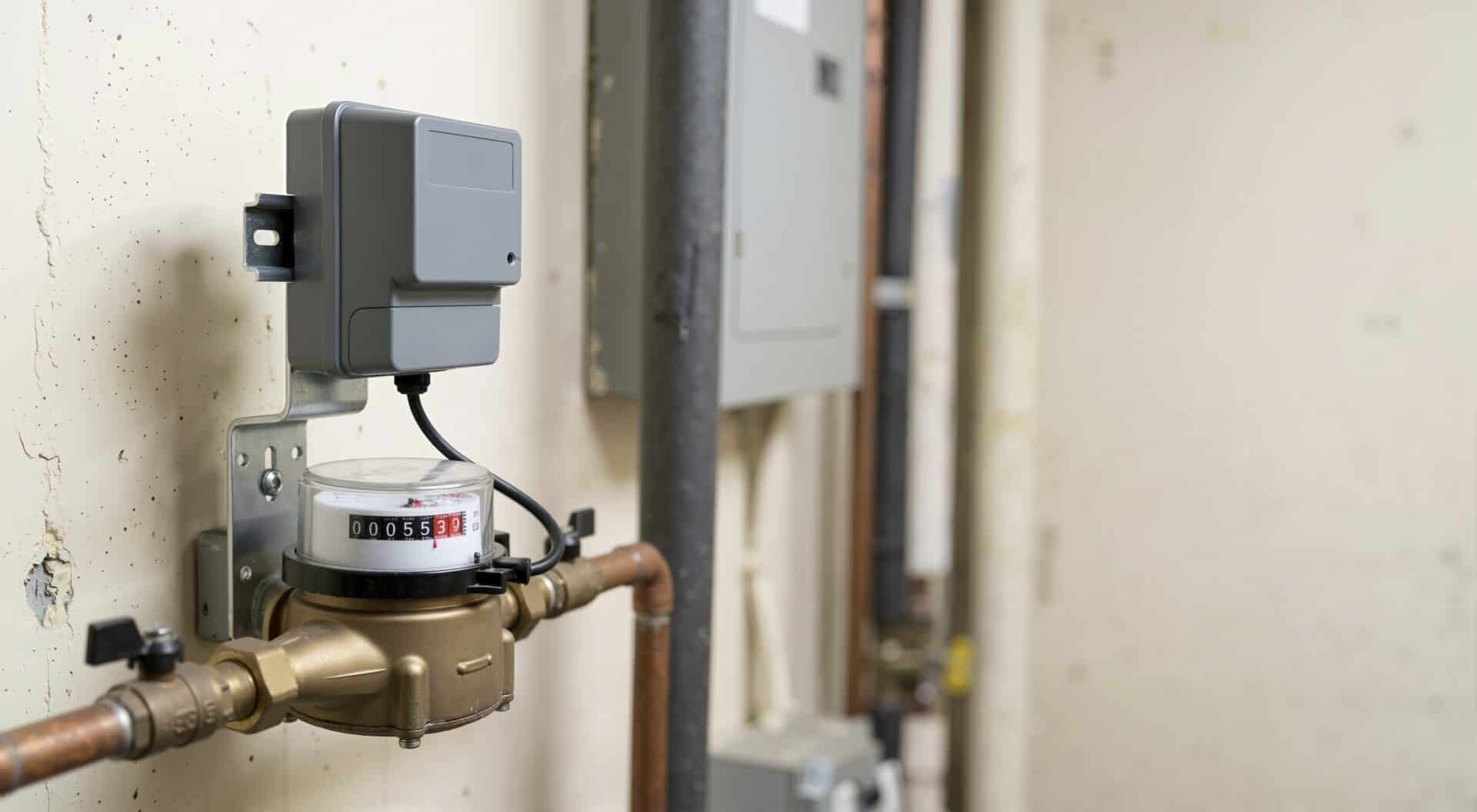
If you have a water meter and can safely access it, the supplier may be able to explain how to check whether it continues to register use when taps and appliances are off. A changing reading may indicate ongoing consumption, but it does not locate a leak. The existing guide to a moving water meter explains this check in more detail, so there is no need to assume that an unexpected reading proves a fault on your private supply pipe.
If the property shares a supply with neighbours, make this clear before arranging work. You may need to coordinate checks or discuss responsibility with the other properties. Also check whether your home insurance includes cover for trace and access, leak investigation or repairs to supply pipes. Policies differ, so confirm the wording and any conditions with your insurer.
WHAT HAPPENS IF YOU CANNOT ARRANGE THE REPAIR WITHIN THE STATED TIME?
Do not ignore a stated deadline. The period allowed and consequences of inaction depend on the type of notice and the water company’s procedures. A formal notice differs from an initial alert about unusual use.
If you cannot arrange an inspection or repair within the stated period, contact the issuing water company as soon as possible. Explain what steps you have taken, why there may be a delay and whether you need clarification about the suspected location or responsibility. Ask whether an extension, further guidance or other assistance is available, and keep a record of the conversation.
Ofwat outlines statutory powers in certain private supply-pipe cases, but the applicable process must be checked against your own notice and supplier’s current guidance.
If you are unsure about the implications of a formal notice, ask the water company to explain the relevant requirement in writing. If you remain unhappy after using the supplier’s complaints process, the Consumer Council for Water (CCW) can provide independent help with water-company issues. Its supply leak advice explains the usual division of responsibility.
WHEN MIGHT SPECIALIST WATER MAINS LEAK DETECTION BE NEEDED?
If the water company has identified a possible leak but its location is unclear, further investigation may be needed before repair work can be planned. This is particularly relevant where the suspected pipe runs underground, beneath a driveway or garden, or through an area where excavation would cause disruption.
Specialist leak detection can help investigate whether water is escaping from a private supply pipe and narrow down the likely location. The appropriate approach depends on the pipework, site conditions and available access. An investigation may help establish where attention is needed before anyone commits to unnecessary digging, although the methods and findings will vary from property to property.
If you have been told that a supply-pipe leak may be present and need help establishing its location, water mains detection may be a useful next step. The existing guide to underground water leaks explains the investigation methods in more detail; the purpose here is to decide how to respond to the supplier’s notification and arrange appropriate help.
If you need to appoint a contractor to work on a supply pipe, check that they have the appropriate experience and approval for the work involved. WaterSafe provides a directory of approved contractors and distinguishes plumbers from installers approved for underground supply-pipe work. The Drinking Water Inspectorate also gives advice on plumbers and explains why water fittings must comply with the relevant regulations. A water-company notification should be treated as a prompt to clarify the issue, not a reason to panic or make assumptions about where the fault lies.