
WATER MAINS LEAK DETECTION
Water Mains Leak Detection in Warrington
Professional water mains leak detection for homes and businesses across Warrington and the surrounding areas. We investigate suspected leaks on private incoming water supplies using specialist equipment, helping reduce unnecessary excavation around your property.
Fast Response
Quick, professional support
Advanced Equipment
Accurate leak detection
Homes & Businesses
Domestic & commercial
Specialist water mains leak detection throughout Warrington and the wider North West.
NEED HELP FINDING A LEAK?
Get A Quote Today
Tell us a little about the problem and our team can help you with the next step.
Your details are only used to respond to your enquiry.
Specialist Leak Detection
Accurate, non-invasive methods
Advanced Technology
Professional detection equipment
Homes & Businesses
Domestic & commercial detection
North West Coverage
Warrington & surrounding areas

Investigating Water Loss from Private Supply Pipes
The private supply pipe carries water from the wider distribution network towards your property. Depending on the building and its history, this pipe may pass beneath a driveway, garden, path or another finished surface before entering the premises.
A leak along the route can remain concealed because escaping water does not always appear above ground. Customers may first notice unexplained consumption, continuing meter movement or a change in their water supply. These symptoms require assessment because internal fittings and wider network issues can sometimes produce similar concerns.
At North West Leak Detection, we investigate the evidence before assuming the underground supply is responsible. We consider the meter arrangement, accessible plumbing and any known details about the incoming pipe.
By establishing which part of the system needs attention, we help customers make informed decisions about further testing, repair access and the next stage of the work.

How We Trace Suspected Water Mains Leaks
The investigation begins with the history of the problem and any checks already completed. Meter readings, changes in consumption, previous repairs and information from the water company can all help establish the starting point.
Where appropriate, the engineer assesses how the supply behaves when relevant sections are isolated or tested. This can help distinguish between unintended use within the building and a suspected loss affecting the incoming pipe.
Acoustic equipment may be used to listen for water escaping from pressurised pipework. Its usefulness depends on factors such as pipe material, surrounding surfaces and background noise. Where suitable, tracer gas can support the investigation when acoustic evidence is limited or the suspected loss remains difficult to locate.
Information about the pipe route is considered alongside the test results. Old plans and photographs may assist, particularly where extensions or landscaping have changed the site.
We compare the available findings before recommending a likely access area, explaining any limitations or additional checks needed to improve confidence in the suspected location.
OUR LEAK DETECTION SERVICES
Specialist Leak Detection Services
From hidden water leaks and underground pipework to tracer gas and thermal imaging, our specialists use professional detection equipment to accurately locate leaks with minimal disruption.
01
Water Leak Detection
Detect hidden water leaks quickly using specialist non-invasive equipment, helping to prevent costly damage and unnecessary disruption.
View Service →
02
Plumbing Leak Detection
Accurately identify concealed plumbing leaks before they cause further damage to walls, floors, ceilings or surrounding fixtures.
View Service →
03
Water Mains Leak Detection
Locate mains water leaks responsible for low pressure, unexplained water usage, damp ground or unexpectedly high water bills.
View Service →
04
External Pipe Leak Detection
Find leaks in external pipework and supply lines without unnecessary excavation or widespread disruption around your property.
View Service →
05
Gas Leak Detection
Specialist gas leak detection using professional equipment to help accurately identify the source of suspected gas leaks.
View Service →
06
Underground Water Leak Detection
Pinpoint hidden underground water leaks using advanced detection methods designed to reduce unnecessary digging and property damage.
View Service →07
Trace & Access Leak Detection
Precisely locate concealed leaks and identify the most appropriate access point, helping to minimise unnecessary disturbance.
View Service →
08
Underfloor Heating Leak Detection
Locate leaks beneath underfloor heating systems without immediately lifting large areas of flooring or causing unnecessary damage.
View Service →
09
Commercial Leak Detection
Professional leak detection for commercial premises, helping businesses locate faults quickly and reduce costly operational disruption.
View Service →
10
Tracer Gas Leak Detection
Use highly sensitive tracer gas testing to identify difficult leaks where conventional detection methods may be less effective.
View Service →
11
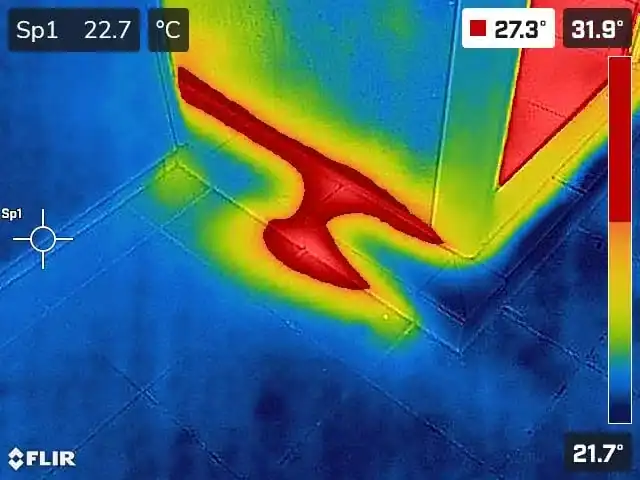
Thermal Imaging Leak Detection
Identify temperature differences caused by hidden leaks within floors, walls and ceilings using professional thermal imaging technology.
View Service →
12
Swimming Pool Leak Detection
Locate swimming pool leaks accurately to reduce unnecessary water loss and help protect the surrounding structure and equipment.
View Service →We Help Find Leaks In
- Gardens and Lawns
- Driveways and Paths
- Block Paving and Tarmac
- Concrete Floors and Yards
- Car Parks and Service Areas
- Extensions and Outbuildings
We Help Find Leaks Under
- Under Any Internal Floor
- Under Any External Surface
- Inside Walls, Ceiling & Other Voids
Insurance Claims
Our specialists manage your entire claims process on your behalf, including direct communication with your insurer.

Signs That an Underground Supply Needs Further Checks
An unexplained increase in metered water use can be an important reason to investigate. However, continuously filling toilets, appliances and other internal plumbing faults should be considered before an underground leak is assumed.
Outside, persistent wetness during otherwise dry conditions may provide another clue. Water can follow service trenches or surrounding ground before reaching the surface, so the wettest patch does not necessarily identify where the pipe has failed.
Reduced pressure or the sound of water can also justify checks, although these symptoms have several possible causes. Our broader leak detection service in Warrington helps assess the relevant systems and establish where the evidence points.
The purpose of investigation is to move beyond individual warning signs. By considering consumption, supply behaviour, site conditions and suitable test results together, we can provide a clearer basis for deciding whether excavation or further assessment is appropriate.
Supply Pipe Investigations for Homes and Business Premises
At a domestic property, a private supply leak may continue wasting water without producing damage inside the house. If the pipe passes beneath a finished driveway or landscaped garden, identifying a justified access area can help reduce avoidable disturbance.
Landlords and managing agents may need to coordinate enquiries involving tenants, shared supplies or several buildings. Information about meters, boundaries and previous repairs helps establish which pipework is involved and who needs to authorise testing or subsequent work.
Business sites can contain longer supply routes serving offices, staff facilities, warehouses or separate units. Our commercial leak detection service supports premises where water loss requires investigation alongside operational requirements.
Before testing, we discuss access arrangements and any restrictions on interrupting the supply. This helps plan the work around the site while ensuring that the relevant people understand what checks may be needed.

Clear Findings Before Excavation and Repair
Once the investigation is complete, we explain which supply section appears affected, where the suspected fault has been narrowed down and what evidence supports the recommendation.
This helps the repair contractor plan access with a clearer understanding of the findings. Where results remain uncertain, further checks or limited excavation may be needed to confirm the condition of the pipe. We explain those limitations rather than promise that every underground leak can be confirmed entirely from above ground.
Responsibility should also be clarified before repair work begins. Private supplies, shared pipework and public water mains have different arrangements, and the water company can help confirm responsibility where the position is unclear.
Customers considering an insurance claim should check their policy requirements for investigation, excavation, repair and reinstatement. Contact our team to discuss a suspected private supply leak and arrange an appropriate investigation.
Customer Testimonials
Read what our valued customers are saying about our leak detection services.
Frequently Asked Questions
Not necessarily. Meter movement means water is passing through that meter, but it does not identify where the water is going. Refilling cisterns, running appliances, outdoor outlets and internal plumbing faults may explain the reading. A suitable period without intended water use can provide more useful information, although the property’s meter and supply arrangements still need to be understood. If the recorded use remains unexplained, further testing may help distinguish an internal fault from a loss affecting the incoming supply. Avoid starting excavation based on meter movement alone, because the reading does not establish the position of a damaged pipe.
Yes. Water escaping below ground may disperse into surrounding materials or follow a route that does not produce obvious surface water. The absence of a puddle therefore does not rule out a concealed supply loss. Equally, damp ground does not prove a water pipe is responsible, because rainfall, drainage defects and other sources can create similar conditions. We assess the visible symptoms alongside consumption information, supply behaviour and suitable testing. Considering these findings together provides a more reliable basis for deciding whether the private pipe needs closer investigation and where further access should begin if a fault is suspected.
Suitable detection methods can help investigate pipework beneath paved areas, concrete, tarmac and other finished surfaces. The approach depends on the pipe material, expected route, surrounding noise and how the suspected leak responds to testing. Acoustic listening or tracer gas may provide useful evidence before the surface is disturbed. However, conditions vary, and some investigations still require limited excavation to confirm the pipe’s condition or complete the repair. Our aim is to narrow down the suspected area and explain the basis for that recommendation. This helps avoid opening an entire driveway or digging repeatedly along an assumed route.
Responsibility depends on which part of the supply is affected and how the property is connected. The public water main is different from the private pipe serving the property, and shared supplies can introduce additional responsibilities between owners. Property owners are generally responsible for their private supply pipework, but the water company should confirm the arrangement where it is unclear. Assistance schemes may also apply in particular circumstances, so check the current position directly before authorising work. A leak appearing in the road or another public area should be reported to the water company rather than treated as a private repair enquiry.
The investigation should follow the evidence rather than continue focusing on the incoming supply once another system appears responsible. Internal fittings, appliance connections and concealed pipes can all contribute to unintended water use. Where the concern involves pipework serving bathrooms, kitchens or other internal areas, our plumbing leak detection service provides the relevant specialist assessment. Information gathered during the initial checks can help guide the next stage and reduce unnecessary repetition. We explain what the findings indicate and whether additional testing is required, helping you arrange the appropriate investigation before any repair access or excavation is considered.
We investigate suspected private water supply leaks across Warrington and can discuss enquiries from areas including Great Sankey, Birchwood, Stockton Heath, Appleton, Grappenhall and nearby Lymm. The service is available for homes, rental properties and business premises where suitable access and testing arrangements can be agreed. Please provide the full address and explain whether the supply serves one property, several units or separate buildings. Details about meters, previous repairs, access restrictions and possible shared pipework are particularly helpful. We can then confirm coverage, appointment availability and any information or permissions needed before the investigation takes place.